Standard Chartered Appoints New CEO to Replace Kariuki Ngare
Kesheni Moodley Joins Paymentology to Drive Growth Across Africa
Safaricom Appoints Fixed Business Director ahead of Pay-as-you-go Fibre Rollout
Fasset To Appoint Digital Banking CEO, Rafiza Ghazali
World’s Largest Online Info Source Turns 25
How Industry Standards and Regulations Make SMS More Valuable for Brands and Customers
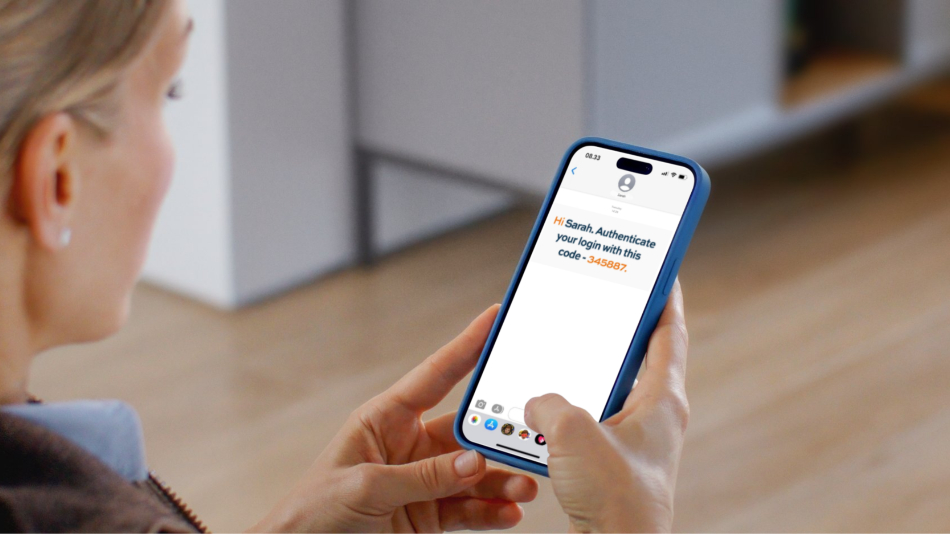
In an age where true attention has become one of the scarcest commodities in customer engagement, the decades-old SMS channel continues to command exceptionally high open rates and high perceived importance. It’s largely thanks to tight regulations and industry oversight that SMS has maintained its status as an invaluable marketing communications channel.
It means SMS still cuts through the noise because marketing lists must be permission-based, while message frequency is naturally constrained by cost and compliance. Smart marketers respond by segmenting more thoughtfully, using SMS for ‘moments that matter,’ such as order confirmation, process notifications, limited-time offers, and high-stakes customer updates, and integrating SMS within a broader, consent-driven customer journey. It’s this behavior that keeps SMS in the premium tier: relevant, important, and worth reading.
“SMS sits in a very privileged position in South Africa’s communications landscape. It’s one of the most tightly regulated, and therefore most trusted, channels that a business can use. In South Africa, this is not an accident. It’s the direct result of a tightly woven regulatory and industry framework centered around POPIA, the WASPA Code of Conduct, and ICASA’s oversight of electronic communications that have collectively protected SMS from the spam and phishing that erode trust. Regulation hasn’t killed SMS messaging; it’s what keeps it effective and relevant,” explains Richard Simpson, Managing Director of BulkSMS.
Simpson unpacks the South African regulatory and compliance environment that has ensured that SMS is the best channel for customer communications:
The Protection of Personal Information Act (POPIA) fundamentally changed how organisations treat a mobile number. It is no longer a commodity to be traded and sprayed; it is personal information governed by strict conditions of processing. Three POPIA principles are especially important for SMS:
“POPIA forces brands to reserve SMS for higher-value, higher-relevance marketing engagements where consent has been gained. That makes every legitimate SMS more likely to be read and more likely to be trusted,” explains Simpson.
WASPA (the Wireless Application Service Providers’ Association), of which BulkSMS is a longstanding member, provides an industry code of conduct that keeps the SMS channel responsive and healthy. WASPA’s Code of Conduct applies to its members—the aggregators and service providers that move the bulk of South Africa’s A2P (application-to-person) SMS traffic—as well as their clients who use their services. WASPA’s code applies local laws and regulations to the mobile messaging industry to prescribe how mobile messaging should be done in practice.
Key features of this code for direct marketing messaging include gaining consent from customers and retaining proof of that consent; a simple, standardised opt-out mechanism; content and fairness controls; and a compliance and enforcement mechanism where consumers can lodge complaints directly with WASPA – https://waspa.org.za/. Sanctions can include warnings, fines, suspension of services and even expulsion of members depending on the severity of the non-compliance.
“Every time WASPA clamps down on non-compliant actors, it protects the integrity of the channel for everyone else. Less spam and fewer scams mean legitimate, permission-based messages stand out,” says Simpson.
The Independent Communications Authority of South Africa (ICASA) provides the regulatory umbrella for electronic communications. It licenses mobile network operators, manages numbering resources, and sets the broader rules of the game for aggregators and other mobile services that ride on those networks. While ICASA may feel distant from day-to-day SMS campaigns, its role is crucial in three ways:
What high-trust SMS looks like in best practice
BulkSMS has formulated a best practice guide for brands looking to use and invest in SMS marketing communication. Best practice looks like this:
Compliance baked into the marketing mix
In a digital ecosystem drowning in noise, the most powerful advantage a channel can offer is trust. In South Africa, SMS has kept its place in the trust hierarchy because there’s regulation and enforcement in place to deal with SMS spoofing, phishing and spam.
“Brands that invest in proper consent, compliance and campaign discipline will continue to enjoy the benefits of a channel that lands in the one place people still reliably and quickly check: their SMS inbox,” concludes Simpson.
About
BulkSMS.com is a division of Celerity Systems (Pty) Ltd and was founded in 2000 along with its parent company. Its founders first began using SMS in 1997 to send weather updates to clients but soon realized the service had broader applications.
BulkSMS.com provides application-to-person (A2P) messaging services to large and small businesses, public benefit organisations, and individuals. The company has a global market presence in more than 200 countries, including Europe, South Africa, the United Kingdom, and the United States of America.
IT News Africa is the continent’s leading source for technology news, delivering the latest updates for IT professionals and tech enthusiasts, while hosting technology-focused events across Africa.
© IT News Africa | Africa’s Technology News Leader

Building Trust in Your Customer Communications – IT News Africa