


Activate subscription >
Add devices or upgrade >
Renew subscription >
Secure Hub >
Don’t have an account?
Sign up >
< Products
Have a current computer infection?
Worried it’s a scam?
Try our antivirus with a free, full-featured 14-day trial
Get your free digital security toolkit
Find the right cyberprotection for you
< Business
< Pricing
Protect your personal devices and data
Protect your team’s devices and data – no IT skills needed
Explore award-winning endpoint security for your business
< Resources
< Support
Malwarebytes and Teams Customers
Nebula and Oneview Customers
A special thanks to all the people at Malwarebytes and ThreatDown for sharing the text messages they received from scammers.
Many of us have received texts like these. Often super short, some flirty, some with a business tone, or sometimes just a simple ‘hello.’
You don’t know the sender, and they look like an honest mistake. But they’re not. All the messages are carefully crafted to seem plausible—so you don’t immediately feel suspicious—and short—to trigger your curiosity.
The intention of these messages are to get you to be confused enough that you will reply, perhaps by saying they have the wrong number.
Here are some of the messages our team has received recently:
1. The one-word text
2. The “who are you again?” text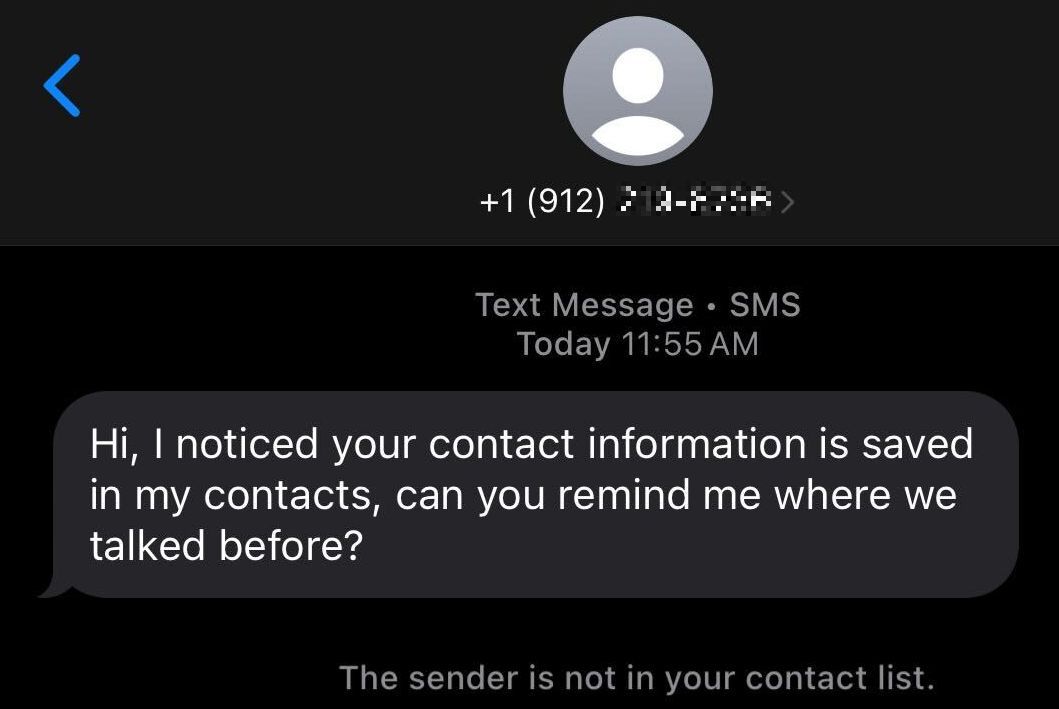
3. The “tempting” text
Sometimes these involve inviting you for fun activities on the weekend, like a BBQ or some beach time. Sometimes, it’s just a dinner suggestion: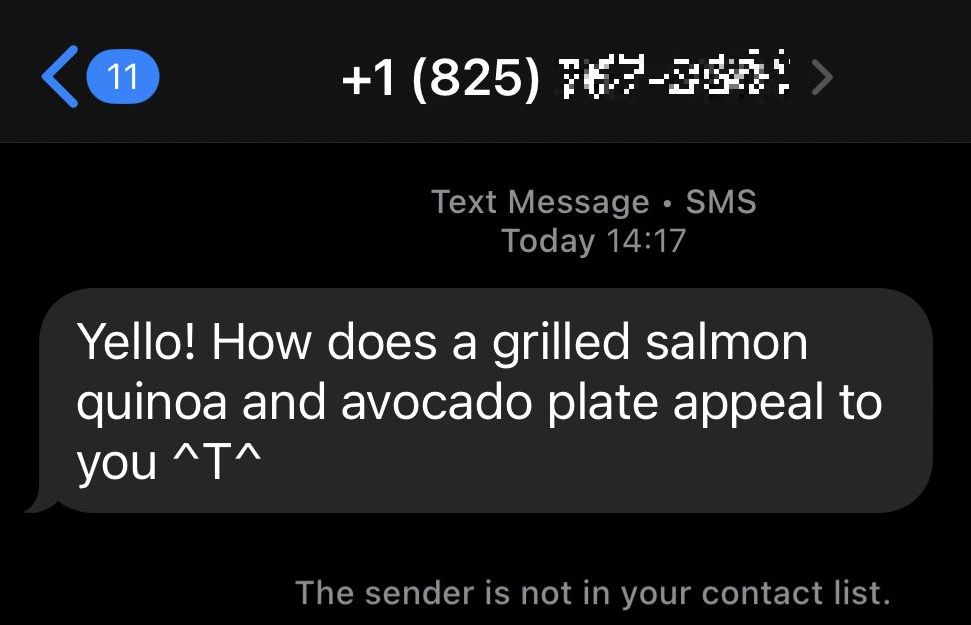
4. The business text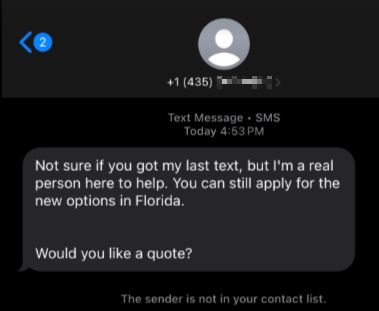
5. The “OMG i just woke up” text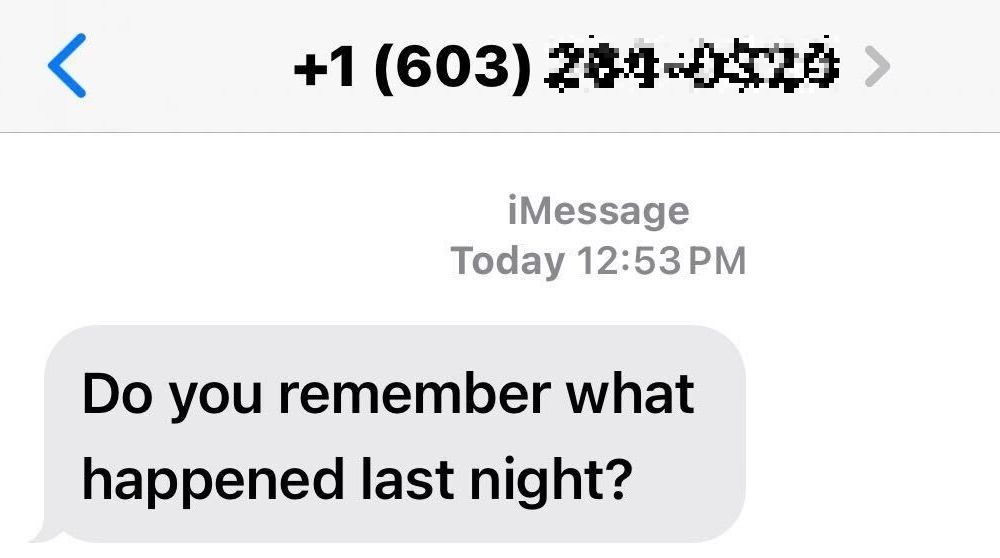
These are just some examples, but we’ve seen so many more.
As soon as you reply, the scammer will initiate a friendly conversation. Their end goal will be to gain your trust and develop the relationship into a costly romance or investment scam.
From their end at least, some of my co-workers told them to go phish elsewhere.
However funny, we don’t recommend engaging with scammers in this or any other way. Here’s why:
We don’t just report on scams—we help detect them
Cybersecurity risks should never spread beyond a headline. If something looks dodgy to you, check if it’s a scam using Malwarebytes Scam Guard, a feature of our mobile protection products. Submit a screenshot, paste suspicious content, or share a text or phone number, and we’ll tell you if it’s a scam or legit. Download Malwarebytes Mobile Security for iOS or Android and try it today!
SHARE THIS ARTICLE
Pieter Arntz 
Malware Intelligence Researcher
Was a Microsoft MVP in consumer security for 12 years running. Can speak four languages. Smells of rich mahogany and leather-bound books.
Hacktivists have scraped almost 100% of the content available on Spotify. Is there anything users need to worry about?
Users affected by the data breach may be contacted directly by cybercriminals, Pornhub warns.
A list of topics we covered in the week of December 15 to December 21 of 2025
Hacktivists claim near-total Spotify music scrape
Pornhub tells users to expect sextortion emails after data exposure
A week in security (December 15 – December 21)
Contributors
Threat Center
Podcast
Glossary
Scams
Malwarebytes – all-in-one cybersecurity protection always by your side.
COMPUTER SECURITY
MOBILE SECURITY
PRIVACY PROTECTION
IDENTITY PROTECTION
LEARN ABOUT CYBERSECURITY
PARTNER WITH MALWAREBYTES
ADDRESS
One Albert Quay
2nd Floor
Cork T12 X8N6
Ireland
2445 Augustine Drive
Suite 550
Santa Clara, CA
USA, 95054
ABOUT MALWAREBYTES
WHY US
GET HELP
Want to stay informed on the latest news in cybersecurity? Sign up for our newsletter and learn how to protect your computer from threats.
© 2025 All Rights Reserved