

These days, there are a wide variety of instant messaging and texting services available to choose from, each with their own established user base and set of features. Popular services include WhatsApp, Facebook Messenger, iMessage, Telegram, and Signal, among others.
Even in this age of internet-based messenger platforms, there remain a set of texting protocols first established by the Global System for Mobile Communications (GSM Association), which are still in active use today. You’ve probably heard of the first one: Short Message Service (SMS). SMS played a major role in popularizing cellphone-based texting, with its older brother Multimedia Messaging Service (MMS) later expanding on the protocol.
However, by 2024 standards, both SMS and MMS are woefully outdated technologies. Thankfully, a newer standard has actually been outlined by the GSM Association, and it’s called Rich Communication Services (RCS). RCS brings a host of modern-day texting niceties into the picture, making the protocol a genuine competitor to the likes of WhatsApp and iMessage.
Google Messages and Apple iMessage both support RCS — but what is it, and why could it become the new standard?
The very first SMS text message was sent on December 3, 1992 via the Vodafone cellular network. The rest, as they say, is history. The standard quickly exploded onto the scene, and it remained the de facto texting standard going into the 21st century. Every SMS text message is limited to a character count of exactly 160, with larger messages getting automatically broken up into smaller chunks upon hitting the send button.
SMS is a no-thrills experience: the limited bandwidth on offer makes it impossible to send images or videos. Instead, SMS relies on its sibling, MMS, for sending and receiving multimedia. Even with MMS at the helm, bandwidth remains in short supply, resulting in heavily compressed media files for the end-user.
Here’s everything you need to know to get the most out of Apple’s Messages app.
RCS, meanwhile, can be best described as the true successor to the SMS protocol. Sometimes referred to as ‘RCS Chat’ or simply as ‘Chat,’ RCS is a universal standard built from the ground up to compete with instant messaging clients. RCS benefits from the following features not available in SMS/MMS:
RCS is a universal standard built from the ground up to compete with instant messaging clients.
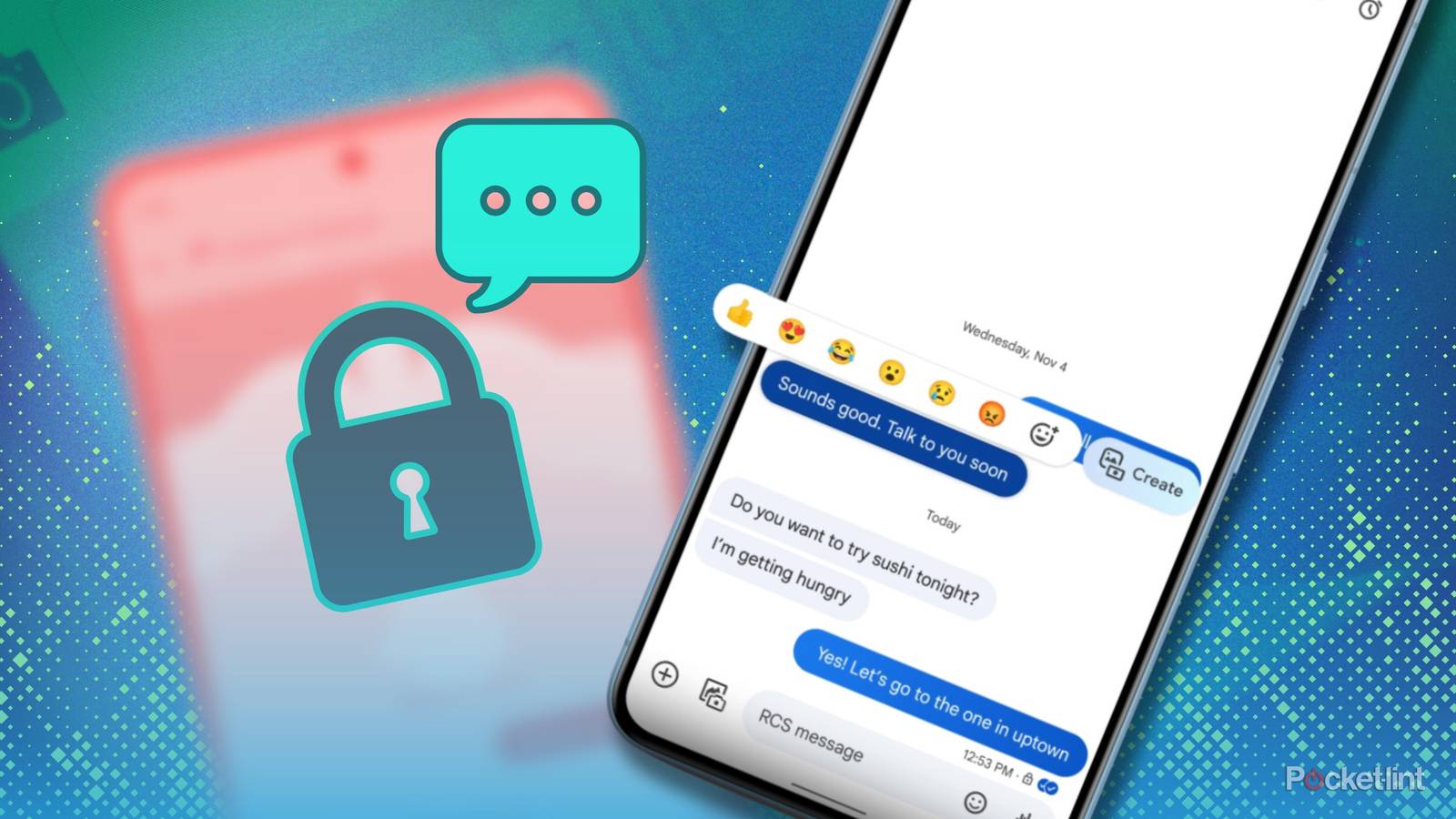
Additionally, there are various flavors of RCS that have been introduced into the mix, the most notable of which being Google’s implementation. Google’s RCS-based chat service is available via the Google Messages app, which is now the default messenger on most modern Android smartphones. Google has built additional features on top of RCS, including end-to-end encryption, emoji ‘tap back’ reactions, animations, and more.
Google's first-party Android messaging app, with built-in support for the modern RCS texting standard.
The introduction of RCS in Apple’s latest update has not unified messaging between Android and iOS in the way many were expecting.
By all accounts, RCS is the superior text messaging protocol when compared to either SMS or its MMS co-partner. RCS brings many of the same advances first pioneered on internet-based messenger clients, resulting in a richer and more pleasant user experience overall.
By all accounts, RCS is the superior text messaging protocol when compared to either SMS or MMS.
It can sometimes be difficult to get your point across via written text, as anyone who has ever fumbled over misconstrued sarcasm can attest to. The increased flexibility offered by modern texting standards has done wonders in bringing a human touch to the broader messaging experience.
Here’s a step-by-step on how to set up Beeper to manage all of your messages.
The other major ace RCS has up it’s sleeve — end-to-end encryption — is a bit of a mixed bag. Google Messages supports this privacy-focused feature, making it far more difficult for bad actors to tap into your private conversations.
Apple’s implementation, on the other hand, doesn’t currently support encryption.
The GSMA, for its part, plans to introduce end-to-end encryption in a future update to the RCS Universal Profile specification. Even without this added security measure, RCS remains the superior choice over SMS when it comes to sending and receiving any and all text messages. It’s taken quite some time for the protocol to reach the mainstream, but at its current trajectory, it appears that RCS is finally reaching critical mass.
RCS is coming to iPhone, but it’s missing some of iMessage’s best features.
We want to hear from you! Share your opinions in the thread below and remember to keep it respectful.
Your comment has not been saved
hi