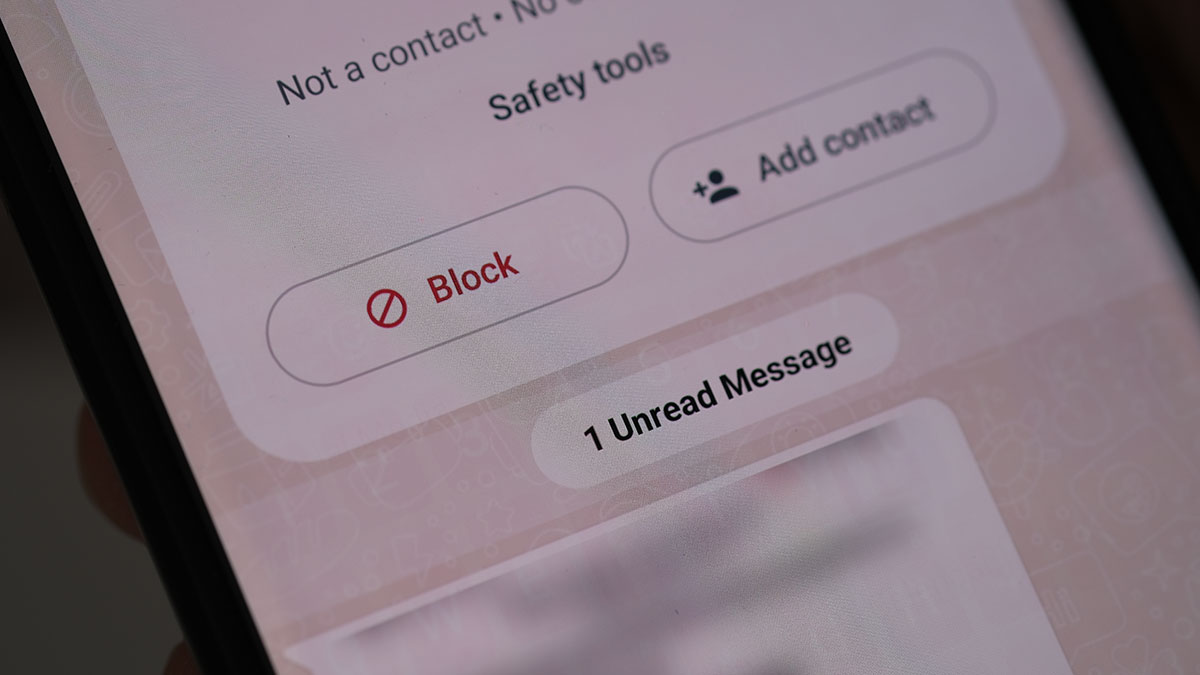
Could a simple message on WhatsApp really jeopardize your digital security? Dive into the unsettling world of phishing scams and find out if you’ve already fallen into the trap.
A click is all it takes. An innocuous message on WhatsApp, and suddenly, the security of your data wavers. Have you ever wondered how far a simple “Hello, is that you?” could lead you? Let’s navigate together through the intricacies of phishing scams to discover the risks that lurk behind these seemingly ordinary interactions.
Lately, a new scam has been plaguing WhatsApp users. It attacks the trust we place in this messaging app, which is an integral part of our everyday lives. This trap relies on SMS messages sent under the guise of the official WhatsApp number, a method that makes them even more credible.
Through these fraudulent messages, cybercriminals seek to collect sensitive information and take control of victims’ accounts. How exactly do they work? That’s what we’re about to find out.
These hackers employ a formidable technique: they send an SMS displaying the official WhatsApp name directly in existing chat threads. The content of this SMS often has the potential to raise alarm. For example, it may mention “unusual activity” leading to the imminent suspension of the account.
In this message, a link is provided to “verify” or “reactivate” the account. Behind this link, a fraudulent page awaits users. These manipulations play on fear and panic to trap the less vigilant.
By clicking on the link, the victim is redirected to an interface that imitates the WhatsApp website or application. To make their trap even more convincing, hackers sometimes use a chatbot that guides users step-by-step. At this point, the user is prompted to provide personal information, such as their WhatsApp credentials.
The danger becomes tangible when this data falls into the wrong hands. Cybercriminals use the infamous login code to install the WhatsApp account on their own device, thereby creating unlimited access to the victim’s conversations and contacts.
The risks don’t stop at losing control of the account. Once in possession of it, hackers can:
These scams can quickly escalate to frightening proportions, especially if hackers take advantage of entire networks of contacts.
How can you avoid this unpleasant ordeal? Caution is your best ally. Always be wary of links received via SMS, even if they appear to come from a trusted source. Verify the information directly in the WhatsApp application or on their official website.
If in doubt, it’s better to alert your loved ones and contacts. Sharing this information can prevent one person from falling into this all-too-common scam.
An insatiable curiosity and lover of audiovisual culture, Clément Pessaux explores the world of cinema, animation and video games, with controller in hand and a sharp critical eye. On 3DVF, he shares his discoveries, visual favorites and digital obsessions, always with passion and a well-measured touch of irony.
As the benchmark media for the entertainment and digital image industries, 3DVF keeps you up to date with all the latest news and industry secrets.

WhatsApp Scam Alert: Beware of This Phishing Message That Can Easily Trap You – 3DVF