

Text messaging began with engineering that started in the early 1980s. You may find it useful to know what the differences are among the types of text messages. At least one major cellular company is now asking customers to select the type of text they prefer to use, so you might as well know what the choices mean.
As cellular systems began to get a foothold around the world, telecom carriers began offering SMS — Short Messaging Service — to subscribers, allowing them to send and receive messages containing less than 160 characters. Nearly any cell phone user can send and receive an SMS message. Then came MMS — Multimedia Messaging Service — allowing for the transmission of images, audio and video. The latest text format is RCS — Rich Communication Services — allowing transmission of pictures, videos, your location, stickers, emojis, tickets, delivery alerts and payment links for things like campaign donations.
The literature indicates that the RCS format is probably more secure than the earlier SMS and MMS systems.
The RCS system was developed after scammers began abusing texts, and has been intentionally designed with security features to ensure messages are only allowed from genuine and verified senders. Despite the good intentions of RCS designers, it remains to be seen how far you can trust RCS text messages. Scammers may be crooks, but they do seem to regularly outwit the good guys.
Research indicates people trust text messaging more than emails or phone calls. Research also shows that 98% of text messages are opened, compared to only 20% of emails. Some 95% of text messages are read and reacted to within five minutes of receipt. Keep these statistics in mind as you wonder why we are now buried under an avalanche of scam texts.
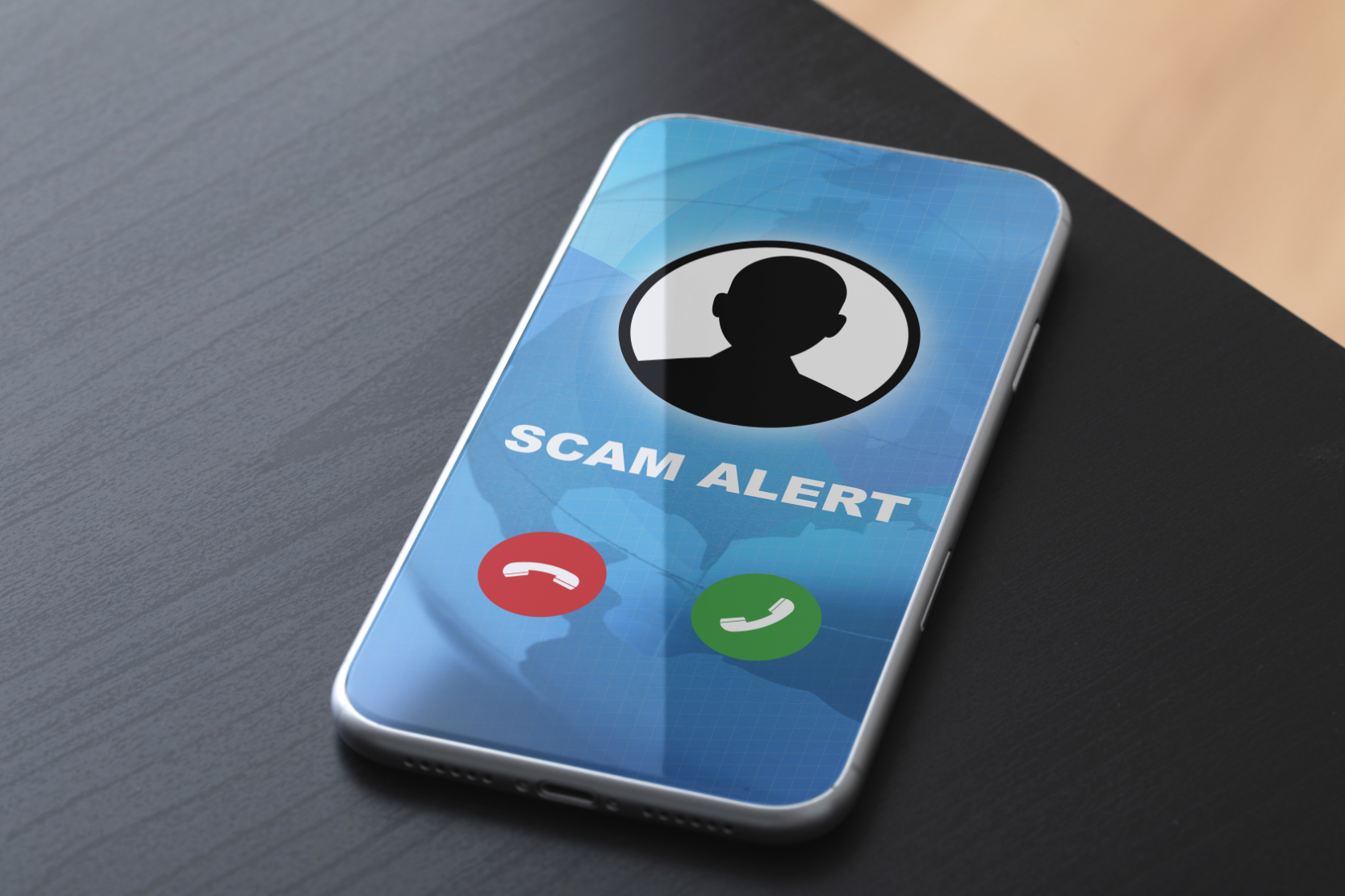
Scammers are quick to jump on any kind of advance in information technology. As a result, an underground industry took root to enable criminals to mask text messages with fake sender credentials. The big telecom companies are working hard to refine text systems to weed out the scammers and imposters, but you would do well to treat any incoming text (SMS, MMS or RCS) with suspicion, especially before sending money or sharing personal information.
Consumers are now losing billions of dollars in scams delivered by texts.
Like the rest of Americans, Valley residents are routinely caught up in these tricks. Here is a short list of common text scams:
• Texts regarding purchases not made by you
• Messages with the phrase, “Is this you?”
• Texts saying your subscription has expired or your payment wasn’t valid
• False notices of missed deliveries
• Text messages from your own phone number
• Texts saying you’re in trouble with the IRS, DEA or any government office
• Texts from your bank regarding locks on your accounts or credit cards
• Unexpected texts asking for you to perform a two-factor authentication
• Texts with the joyful news you have won a sweepstakes or big prize
Texting is big business for companies that use it and the companies that offer it. Back in 2020, businesses sent more than 2.5 trillion texts, growing in volume every year. More capacity for more texts may be one of the bigger reasons you find a new data center breaking ground near you. According to “Forbes” magazine, at least 270,000 texts are now sent every second of the day.
Get back to scam basics and ignore upsetting or surprise messages that just seem to “come out of the blue.” Remember, the government never calls, and they don’t text either. Follow up on obvious scam texts with your cell phone company by blocking senders and reporting spam.
Never be intimidated into doing anything quickly by something you read in a text. Don’t click links in messages.
Don’t send money, much less a wire transfer, gift card or cryptocurrency to any entity as a result of a text message.
Text scammers study victim psychology and come up with an endless variation of ploys to get you to do something NOW that you’ll have plenty of time to regret.
Your smartphone has the potential to do many things for you — don’t let it be used as a weapon against you. If you become a scam victim, report the incident to the authorities and tell your friends about it.
The dog days of summer are upon us with hot and muggy days. Spray yourself down with some sun screen and insect repellant, and enjoy late summer in the Valley. Go to the Canfield Fair, enjoy a nice cup of fries soaked in ketchup and vinegar, and pet a cow (but don’t get cuddly). We’ll all be fondly remembering the heat when the snow blows again in a few months.
240 Franklin Street SE, Warren, OH 44482 – Copyright © The Vindicator