

Identify traffic-stealing competitors
Find untapped opportunities
Create outperforming content
mt logo
MarTech » B2C marketing »
Chat with MarTechBot
Apple’s annual iOS release always sends CRM teams scrambling. Sometimes (see: iOS 15 and 18), email marketing feels the biggest impact. This time, it’s SMS.
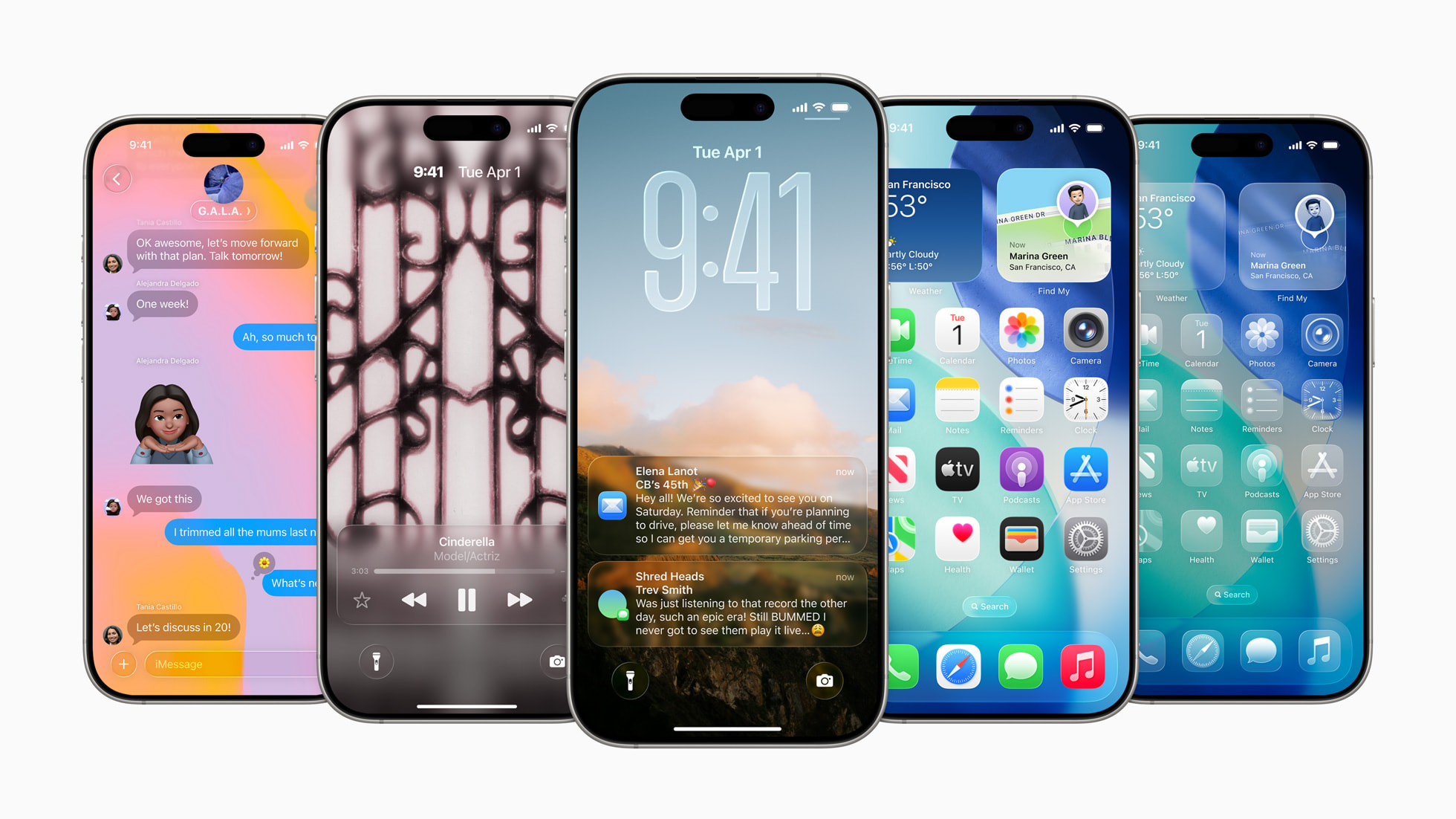
The standout change in iOS 26 (note: Apple seems to have changed the numbering system to indicate the year the update will take broad effect) is the introduction of an “Unknown Sender” filter for SMS messages. Early indications suggest it will function like Apple Mail’s Promo tab, which pushed email messages from unrecognized senders out of the primary inbox view.
That’s a significant issue for brands still leaning on broad, non-personalized SMS campaigns. According to my agency’s research, most consumers (even loyal ones) don’t save brand numbers as contacts, meaning many messages risk being filtered.
The official iOS 26 launch is expected this month, with adoption likely to ramp through the fall. Based on past rollouts and the numbering change I mentioned above, it will be the dominant Apple OS well into 2026.
The unknowns: how aggressively Apple filters, whether users adjust settings, and what percentage of marketing messages get diverted. But one thing is sure: the update will reshape SMS performance, especially for brands without strong subscriber relationships and/or a proactive plan to get out in front of the update.
The best way forward is something good CRM marketers are already very familiar with: more strategic (read: personalized) messaging strategies. The more relevant and time-optimized messages you can deliver, the better chance you have of maintaining delivery into the primary messaging view, whether by getting added as a contact or getting marked as known, which Apple is including as an option within brand SMS messages:
To build the kind of relationship with users that will prompt them to take this action, marketers need to remember that SMS messaging needs to differ slightly from email messaging. Since users are far more likely to get notifications (often with sound included) for new messages on SMS than email, SMS messages are perceived as more intrusive and should be approached with more caution.
The more frequent the messages, the more you’re giving users potential opportunities to opt out, which is the opposite of getting them to add your brand as a known number (or, better yet, as a contact). In our experience managing dozens and dozens of SMS campaigns, messages that stay short and sweet, offer value, stay authentic (note: don’t force “friendly”), and arrive at intuitive, event-based times get the best engagement rates over time.
When crafting a value-focused SMS messaging strategy, remember that your goal is to stand out (with a positive association) from the lineup of SMS texts a user receives. Examples of texts that can achieve this include:
Beyond that, I recommend:
As iOS 18 did for email marketers, iOS 26 aggressively reminds marketers that SMS marketing approaches must evolve to engage users on a more personal level. It’s a big change to a channel that hasn’t weathered many lately—and, as with any big change, it presents an opportunity for the most adaptable brands to gain on their rivals.
In short, brands that move quickly to personalize content and reinforce user-brand relationships, with testing structures to identify and double down on what’s most effective, can turn Apple’s latest update into a chance to gobble up market share. Your SMS engagement rates may dip, but if your competitors’ absolutely plummet, you stand to gain in the bigger picture.
Fuel up with free marketing insights.
Email:
See terms.
Contributing authors are invited to create content for MarTech and are chosen for their expertise and contribution to the martech community. Our contributors work under the oversight of the editorial staff and contributions are checked for quality and relevance to our readers. MarTech is owned by Semrush. Contributor was not asked to make any direct or indirect mentions of Semrush. The opinions they express are their own.
Related stories
New on MarTech
About the author
Related topics
Fuel up with free marketing insights.
See terms.
Coming this fall: Two, one-day virtual events on marketing and AI. Join us for free and learn to reimagine marketing in the age of AI.
Now available: MarTech spring
Sept. 17: Data & AI : MarTech
Nov. 4: AI & Agents: MarTech
Learn actionable search marketing tactics that can help you drive more traffic, leads, and revenue.
Start training now:: SMX Advanced
November 14-15, 2022: SMX Next
March 8-9, 2022: Master Classes
Free 14 day Semrush trial
Get 55+ tools to gain insights and grow your audience.
Mastering Identity, Maximizing Impact: A Roadmap for Data Readiness
Google Ads Masterclass: Local Search Strategies That Convert
Dream Links, Real Authority: Digital PR’s Edge in SEO & AI Search
Generative AI for Content Creation: A Marketer’s Guide
Email Marketing Platforms: A Marketer’s Guide
Customer Data Platforms: A Marketer’s Guide
The Real Growth Levers for Online Marketing in 2025
Meet your new AI-powered marketing assistant!
Fuel up with free marketing insights.
Topics
Our events
About
Follow us
© 2025 MarTech.org is a Trademark of Semrush Inc.
Third Door Media is a business-to-business media company. It is the publisher of MarTech and the producer of the MarTech Conference. Third Door Media offers marketing solutions that help vendors connect with an engaged audience of B2C and B2B marketers. The company headquarters is 800 Boylston Street, Suite 2475, Boston, MA USA 02199.