
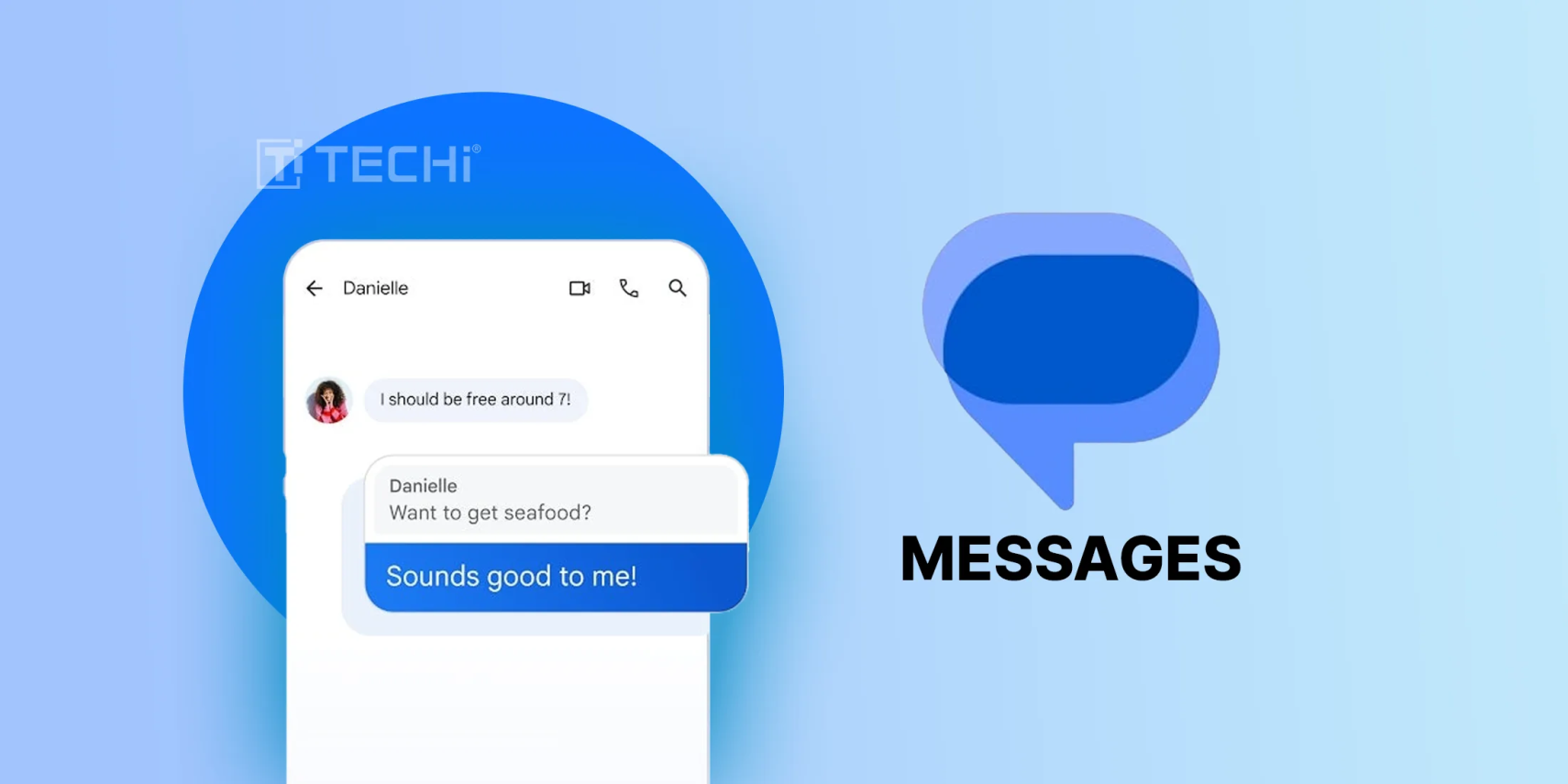

Anyone who has used Google Messages for texting knows the frustration: you never quite know if you’re about to send a regular text message or use the fancy RCS features until you actually start typing. Google is finally addressing this long-standing annoyance with a simple but brilliant solution—visual badges that instantly show you which contacts support Rich Communication Services (RCS) messaging.
This might sound like a small change, but for millions of Android users who have been playing messaging roulette for years, it represents a game-changing improvement to their daily communication experience.
Picture this scenario that most Android users know all too well: you want to send a video from your weekend trip to your family group. You open Google Messages, start typing, and then realize you have no idea whether your message will go through as a high-quality RCS message or get compressed into a barely watchable MMS video.
The only way to find out was to tap on each contact individually and check whether the message field said “RCS message” or “Text message.” It was tedious, inefficient, and frankly, pretty ridiculous for a messaging app in 2025.
This uncertainty affected real decisions people made every day. Many users found themselves accidentally sending expensive SMS messages when they thought they were using free RCS messaging. Others would avoid sharing photos or videos altogether, unsure whether the recipient could actually receive them properly. Some people even kept mental notes about which friends and family members had “good messaging” and which ones didn’t.
Google’s solution is refreshingly straightforward. The new update adds small “RCS” badges next to contact names for anyone who supports the enhanced messaging features. No badge means the person is stuck with old-school SMS and MMS. It’s that simple.
The company has also added Dynamic Color theming to RCS conversations, giving them a slightly different visual appearance that helps your brain automatically recognize when you’re in an enhanced messaging thread. Even the terminology got an upgrade—what used to be called “New conversation” is now “New chat,” which better reflects the interactive nature of RCS messaging.
Right now, the feature is appearing for Google Messages beta testers using version 20250527_01_RC00. Based on reports from Reddit users and tech enthusiasts, it seems to be showing up for significantly more beta users than usual, which typically means Google is gearing up for a wider public release.
The timing couldn’t be better. Apple recently surprised everyone by adding RCS support to iMessage after years of stubbornly refusing to play nice with Android messaging. This means iPhone users can now participate in enhanced messaging with Android users—but only when both people know they’re actually using RCS instead of regular texting.
“This is the kind of quality-of-life improvement that should’ve happened a long time ago,” as one observer noted. It’s the kind of feature that makes you wonder why it took so long to implement something so obviously useful.
The difference between RCS and SMS isn’t just technical jargon—it affects how people actually communicate with each other. RCS messaging works over your data connection or Wi-Fi, which means you can send much larger files without the tiny size limits that make MMS photos look like they were taken with a potato.
You also get modern messaging features that people expect in 2025: you can see when someone is typing, know when they’ve read your message, and participate in actual group conversations instead of the chaotic mess that SMS group messaging has always been. Plus, RCS messages are encrypted, so they’re more private than traditional text messages. As Google explains, “RCS chats are protected with end-to-end encryption so that no one else can read the content of your messages” ensuring your conversations stay private.
When you can instantly see who supports these features, you can make smarter decisions about how to communicate. Want to share that funny video? You can immediately spot which friends can actually watch it in decent quality. Planning a group trip? You’ll know who can participate in a proper group chat and who might miss important messages.
There’s something deeper happening here beyond just adding badges to a contact list. Good design should eliminate the mental work users have to do to understand their tools. Before this update, people had to remember or guess which contacts supported which features—that’s cognitive load that adds up over dozens of daily messaging decisions.
Now, the app does that thinking for you. Your brain can focus on what you want to communicate instead of figuring out how the communication will work. It’s the difference between fluent conversation and constantly stopping to check if the other person speaks your language.
While Google hasn’t announced exactly when this will reach everyone’s phones, the current beta testing suggests it’s coming soon. This update likely represents the beginning of more user-friendly improvements to Google Messages, as the company shifts focus from building basic RCS infrastructure to making it actually pleasant to use.
The visual badge system also sets up a framework for indicating other messaging capabilities in the future. Imagine instantly seeing which contacts support video calls, file sharing, or other advanced features without having to test each one manually.
Ultimately, this update solves a problem that shouldn’t have existed in the first place—but that’s often how the best improvements work. By making RCS capability immediately visible, Google Messages becomes the kind of app that works with you instead of against you, eliminating daily frustrations that users have simply learned to accept.
Disclosure: Some of the links in this article are affiliate links and we may earn a small commission if you make a purchase, which helps us to keep delivering quality content to you.
Content Writer
An accomplished corporate strategy analyst, bringing a keen … An accomplished corporate strategy analyst, bringing a keen interest in market dynamics and organizational development. Leveraging his background in artificial intelligence, multi-network ad campaigns, digital marketing, gaming, and R&D-driven SEO, he is eager to contribute to strategic initiatives and analyze key business trends within the global tech industry.
An accomplished corporate strategy analyst, bringing a keen … An accomplished corporate strategy analyst, bringing a keen interest in market dynamics and organizational development. Leveraging his background in artificial intelligence, multi-network ad campaigns, digital marketing, gaming, and R&D-driven SEO, he is eager to contribute to strategic initiatives and analyze key business trends within the global tech industry.
No comments yet. Be the first to comment!
Thanks for choosing to leave a comment. Please keep in mind that all comments are moderated according to our comment policy, and your email address will NOT be published. Please Do NOT use keywords in the name field.
Your email address will not be published. *
YouTube is changing the way people watch short videos by adding Google Lens to its Shorts feature. This new tool…
Apple is rumored to be preparing a major change to how users perceive its operating systems. Bloomberg's report from 28…
Apple said on Wednesday that it is adding more iPad models to its Self-Service Repair program. By giving users access…
Shopify has introduced a variety of new, powerful tools to help merchants efficiently and creatively build and personalize their online…
TECHi Intelligence guides you through the world of technology, exploring innovations and AI, shaping the future. Discover ideas and breakthroughs, driving global change, as we navigate the tech revolution together.
TECHi guides you through the world of technology, exploring innovations and AI, shaping the future. Discover ideas and breakthroughs, driving global change, as we navigate the tech revolution together.
All quotes delayed a minimum of 15 minutes. See here for a complete list of exchanges and delayed quotes.
© TECHi.com – All rights reserved | Combines individuality (“I”) with technology.