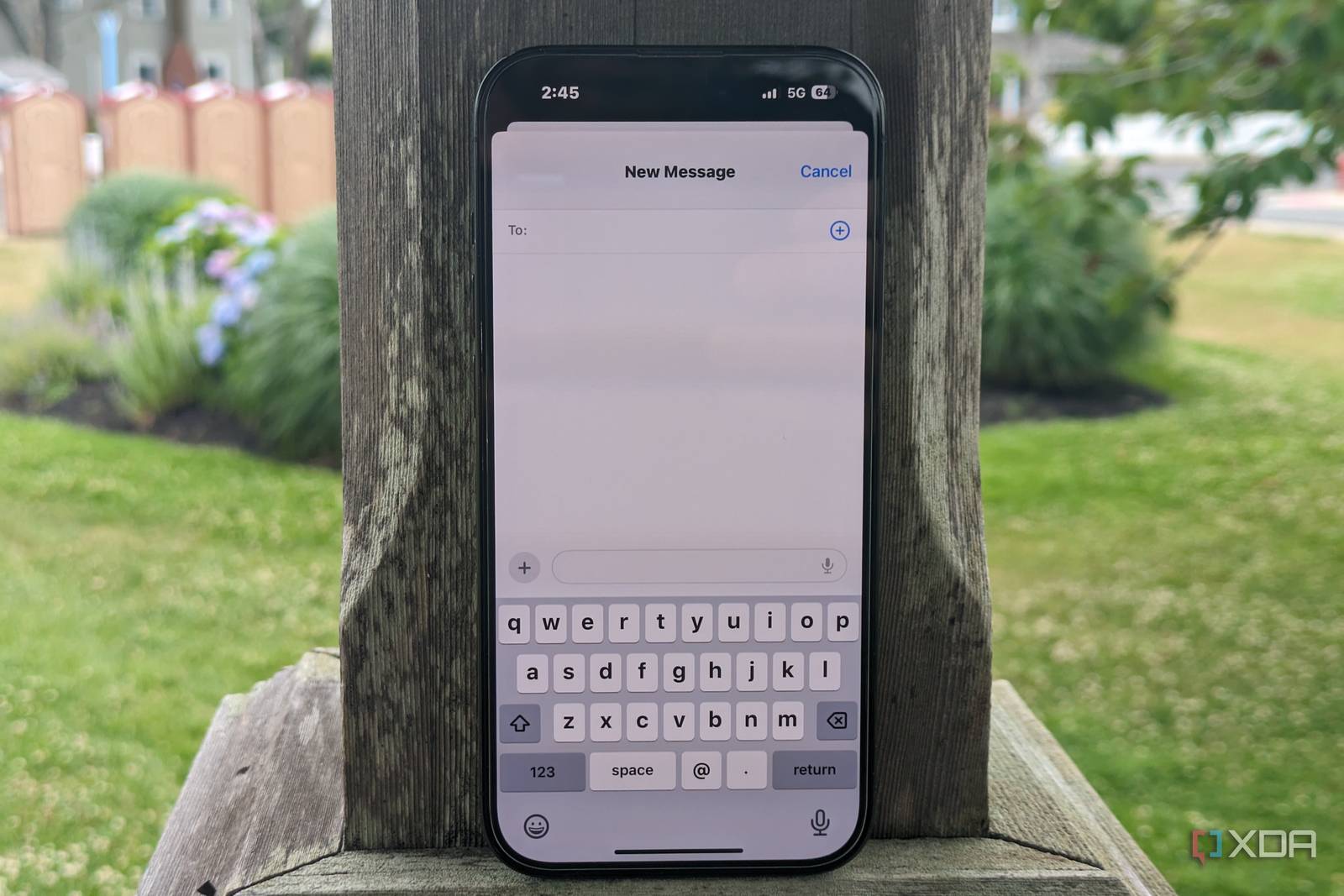
iMessage is one of the most popular instant messaging services, connecting Apple users around the world. It’s baked right into the iPhone’s Messages app, which also hosts the SMS/MMS messages users receive. While people are generally familiar with the basics around using Apple Messages, many are unaware of the neat features and options offered by this app. To help you make the most of iMessage, we summarize here more than a dozen tips and tricks for Apple Messages that are bound to improve your overall texting experience. However, keep in mind that some of these features are exclusive to iOS 17 and are incompatible with earlier OS versions.
When we’re focused on a certain task, we sometimes don’t notice message notifications. Fortunately, you can have the Messages app notify you repeatedly every two minutes for up to 10 times. To enable this feature for both iMessage and SMS/MMS:
When you install an iPhone app, an icon gets added to your Messages app drawer, if the application supports iMessage. Many users, however, don’t need all of these iMessage apps, which tend to clutter the drawer as their number increases. Fortunately, you can disable them without deleting the iPhone app itself:
Just like many other messaging services, iMessage supports sharing your name and photo with your contacts. To set this up, follow the detailed instructions we’ve provided at How to create a Contact Posters on iOS. After you set it up, your iPhone-using contacts will be able to see your name and photo whenever you text or call them. If they set theirs up, you will be able to see their photos as well.
One of the perks of the Apple ecosystem is that you can rely on all your iDevices as a single entity of sorts. Apple Messages is no exception; you can set it up in a way that lets you send and receive SMS/MMS messages on your iPad or Mac.
Now, as long as you’re signed in to the same account on all your devices, you can reply to any SMS you receive on your iPhone using your Mac. Obviously, the iPhone will need to be turned on and connected, but it’s still a neat feature for those wanting to reply to phone messages while working on their Macs or iPads.
Many users read received iMessages on the spot but take a while to reply for whatever reason. In this case, read receipts can put them under pressure, as the other parties may suspect they’re deliberately being ignored. Regardless of your reasons, you can turn off the Read indicator, so senders won’t know whether you’ve seen the texts or not.
If you still want to share read receipts with specific contacts:
To free up space on your iPhone, you may want to consider deleting old messages. Fortunately, you can configure the process so that messages are deleted automatically after a set number of days.
Spammers are all over the place, and they can quickly clutter your Apple Messages inbox. Luckily, you can separate unknown senders and saved contacts by following these steps:
Unlike WhatsApp and some other IM apps, iMessages doesn’t compress your photos when you send them. While this provides the recipient with higher-quality media, it can be slow on unreliable networks and, relatively speaking, consume a lot of data on limited plans. To send compressed images instead:
If you frequently text someone, you may want their conversation to remain at the top of your inbox. Fortunately, Apple Messages supports pinning.
With iOS 17, Apple replaced the Audio button with Dictation in iMessage. The former allows you to send voice messages to people, while the latter converts your speech into text. But, since there’s a Dictation button on the keyboard anyway, users may want the Audio button back. Fortunately, you can restore it.

Apple Messages tips and tricks: Make the most of iMessage – xda-developers.com