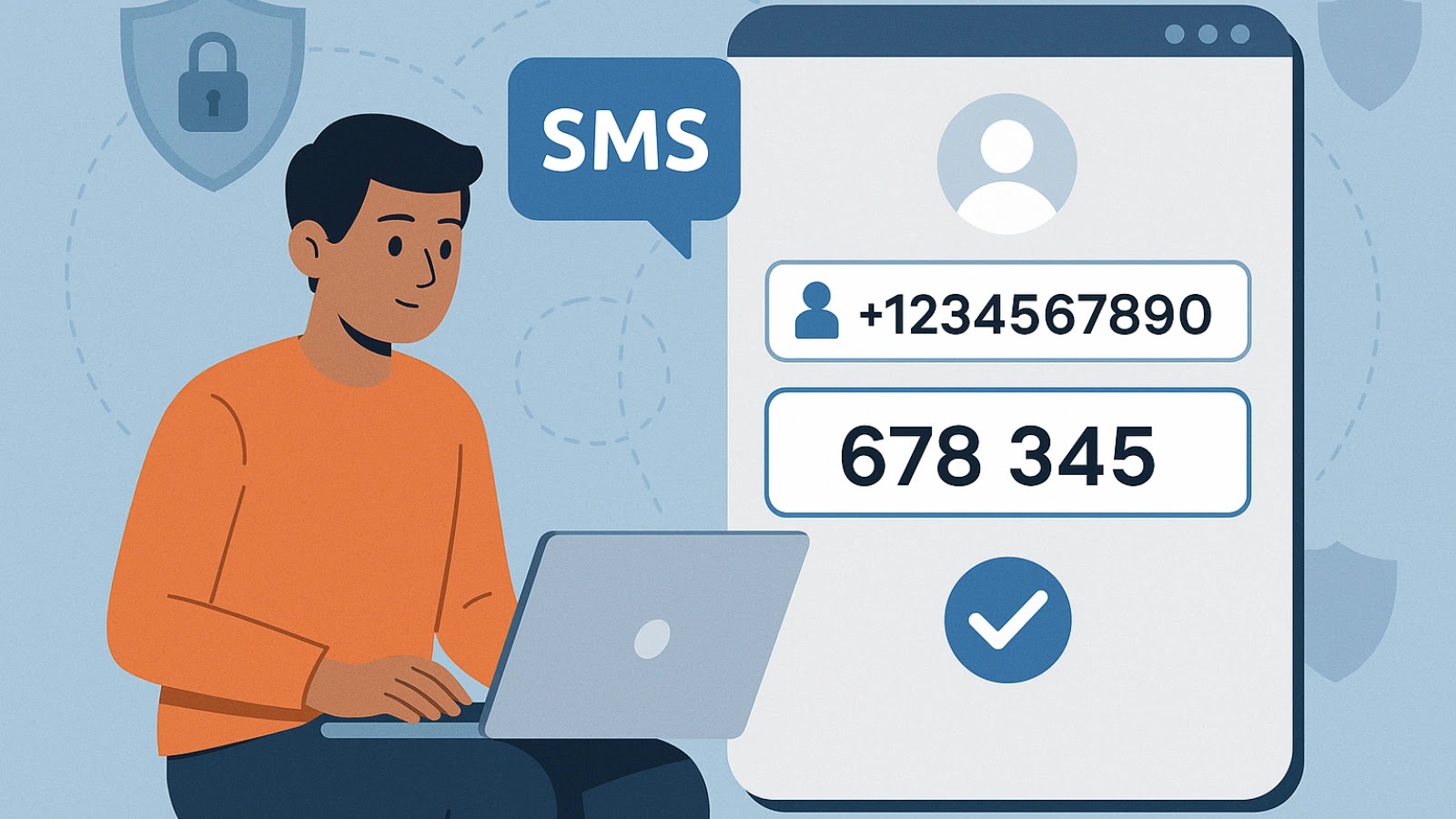
Online platforms increasingly demand phone number verification for new account registrations, creating privacy concerns for millions of users worldwide.
The traditional approach of sharing personal phone numbers exposes users to spam, data breaches, and sophisticated cyber threats.
Modern solutions enable users to receive sms online through virtual phone numbers, providing secure verification without compromising personal information.
This shift toward privacy-focused verification reflects growing awareness of digital security risks and the need for better protection strategies.
Major SMS verification services report a 300% increase in new user registrations since January 2025, indicating widespread adoption of virtual number solutions.
Privacy-conscious individuals, digital marketers, and businesses now rely on temporary phone numbers to maintain anonymity while accessing essential online services.
The practice has evolved from a niche security measure to a mainstream privacy protection strategy.
Digital verification requirements have expanded dramatically across industries in recent years. Social media platforms, financial services, e-commerce sites, and messaging applications now mandate phone number verification as standard practice.
This trend stems from platforms’ need to combat bot registrations, prevent spam accounts, and comply with regulatory requirements for user identification.
However, sharing personal phone numbers creates significant privacy risks. Research indicates that over 78% of users experience increased spam after using their real numbers for online verification.
The Federal Trade Commission reported a 157% increase in SIM-swap fraud cases in 2024, highlighting the dangers of linking personal numbers to multiple online accounts.
Virtual phone number services address these concerns by providing temporary, disposable numbers for verification purposes.
These services operate globally, offering numbers from 180+ countries to bypass geographic restrictions and maintain user anonymity during account creation processes.
The technology supports various verification methods, including one-time SMS activations lasting 20 minutes and extended rental periods from 4 hours to 4 weeks.
This flexibility accommodates different user needs, from single account verifications to ongoing business operations requiring multiple account management.
Virtual phone numbers function as cloud-based communication tools that receive SMS messages without requiring physical SIM cards or device binding.
These numbers operate through specialized software connected to mobile network operators, ensuring reliable message delivery and compatibility with verification systems.
The virtual number market divides into two primary categories with distinct capabilities and limitations:
SIM-based virtual numbers demonstrate superior performance for platforms with strict verification policies.
Services like Google, Facebook, WhatsApp, and banking applications actively block VoIP numbers, making physical SIM connections essential for successful verification.
These platforms implement advanced detection algorithms to identify and reject virtual VoIP lines, protecting against automated account creation and fraud.
The technology gap between VoIP and SIM-based solutions continues widening as platforms strengthen their anti-fraud measures.
Modern verification systems analyze number patterns, carrier information, and usage history to determine authenticity.
SIM-based providers maintain competitive advantages through direct mobile operator partnerships and regular number rotation practices.
SMS verification carries inherent cybersecurity risks that users must understand before implementing virtual number strategies.
The Cybersecurity and Infrastructure Security Agency warns against relying solely on SMS for sensitive account protection, citing encryption vulnerabilities and interception risks.
SMS messages lack end-to-end encryption, making them vulnerable to interception during transmission.
Attackers can exploit SS7 protocol weaknesses or compromise telecommunications infrastructure to access verification codes. Additionally, SIM swapping attacks allow criminals to hijack phone numbers, redirecting verification messages to attacker-controlled devices.
Virtual number services mitigate some risks while introducing others. Public free services display received messages openly, compromising code confidentiality and enabling account theft.
Shared numbers used by multiple individuals create additional security vulnerabilities, particularly for financial or sensitive account verifications.
Professional virtual number providers implement security measures to address these concerns.
Encrypted communication channels, private number allocation, and automatic code expiration help protect verification processes. However, users must follow proper security practices to maximize protection benefits.
Best practices for secure SMS verification include:
Enterprise users should prioritize SIM-based solutions with API integration capabilities for bulk verification needs.
Automated systems can cycle through thousands of temporary numbers while maintaining compliance with telecommunications regulations and platform policies.
The virtual phone number market offers diverse solutions tailored to different user requirements and risk tolerance levels.
Individual users typically benefit from pay-per-use activation services, while businesses often require rental options or API integration for scaled operations.
Pricing models vary significantly across providers, ranging from $0.03 per activation to premium enterprise solutions.
Cost considerations should balance affordability with security features, acceptance rates, and customer support quality.
The cheapest options frequently compromise on reliability or privacy protection, making mid-tier services optimal for most users.
Geographic availability represents another crucial selection factor. Global users need access to numbers from specific countries to bypass regional restrictions or meet platform requirements.
Services offering 100+ country options provide greater flexibility for international verification needs.
According to recent analysis by Arkose Labs, businesses implementing proper SMS security measures significantly reduce fraud-related losses while maintaining user experience quality.
Organizations must balance security requirements with accessibility considerations to ensure legitimate users can complete verification processes efficiently.
Key considerations for service selection include:
The U.S. Cybersecurity and Infrastructure Security Agency continues monitoring SMS security developments, emphasizing the importance of implementing multiple authentication factors for sensitive accounts.
Smart verification strategies combine virtual numbers with authenticator apps, biometric verification, or hardware security keys for comprehensive protection.
Virtual phone number services represent an essential tool for maintaining online privacy in 2025.
As verification requirements expand across digital platforms, users who proactively adopt secure verification methods protect themselves from spam, identity theft, and unauthorized account access while preserving their ability to participate fully in the digital economy.
Hot this week
GBHackers on Security is a top cybersecurity news platform, delivering up-to-date coverage on breaches, emerging threats, malware, vulnerabilities, and global cyber incidents.
Company
Trending
Categories
Copyright @ 2016 – 2025 GBHackers On Security – All Rights Reserved

Why Smart Users Choose Virtual Numbers for Online Verification in 2025 – gbhackers.com