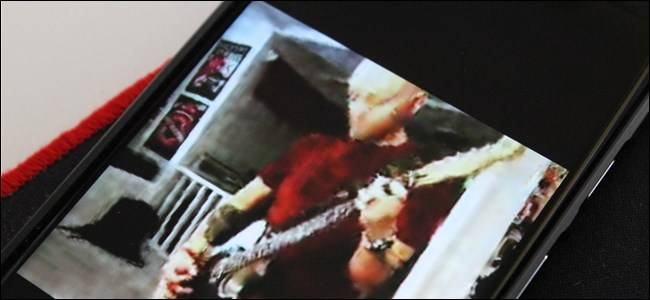
If you switch from iOS to Android and send or receive video messages, you probably had to accept a harsh reality: video messages look terrible on Android. Let’s take a look at why this happens, and ways to combat the problem.
When you send a message from iPhone to iPhone, it doesn’t send over standard MMS like other platforms—it sends over Apple’s iMessage system. This is something you don’t have to think about, as it happens passively in the background on the phone.
So your phone knows if the other person is also using an iPhone and sends the message over iMessage. If iMessage isn’t available—like if you’re sending a message to an Android user, for example—the iPhone defaults back to using a standard text message (SMS) or multimedia message (MMS). You know the coveted “blue bubble?” That means your messages are being sent over iMessage. A green bubble denotes a standard text message.
Basically, the messaging app on an iPhone is almost like two clients in one: it can send iMessages or standard SMS/MMS. But it does all of the heavy lifting in the background, so you never have to think about it.
Because iMessage is more of a dedicated chat client than an SMS app, it handles media differently. In short, it doesn’t compress (and ruin) things like videos or pictures. So when you sent a video or picture to another iMessage user, it’s delivered at much higher quality than when it’s delivered with a traditional MMS.
By contrast, any time a larger file—be that a large picture or any video file—is sent over MMS, it’s heavily compressed. This results in the recipient getting a choppy, blocky, or otherwise generally crummy looking video.
Since Android doesn’t support iMessage (this is only for Apple devices), then videos or images sent with the standard text messaging app are always sent over MMS. This may change once RCS becomes widely available, but this is how it’s handled currently.
If you need to send video and it has to be high quality, then the first step is to stop sending them over MMS. It’s always going to compress and there’s nothing you can do about that.
However, there are a few other solutions:
One thing worth keeping in mind here are data limitations: sharing videos over your cellular network will eat up your bandwidth. If you’re on Wi-Fi, all of the above options will default to that connection, so they won’t eat through your data cap.
The best of How-To Geek, directly in your inbox.
By subscribing, you agree to receive newsletter and marketing emails, and accept our Terms of Use and Privacy Policy. You can unsubscribe anytime.

Why Texted Videos Look Better on iPhone Than Android – howtogeek.com