

Science and Technology
An operation by the Civil Police of São Paulo dismantled a mobile structure used to carry out the so-called SMS scam in the São Paulo capital.
The case occurred on Wednesday, September 10, 2025, when agents arrested a 35-year-old driver in Itaquera, in the eastern zone of São Paulo, in the act.
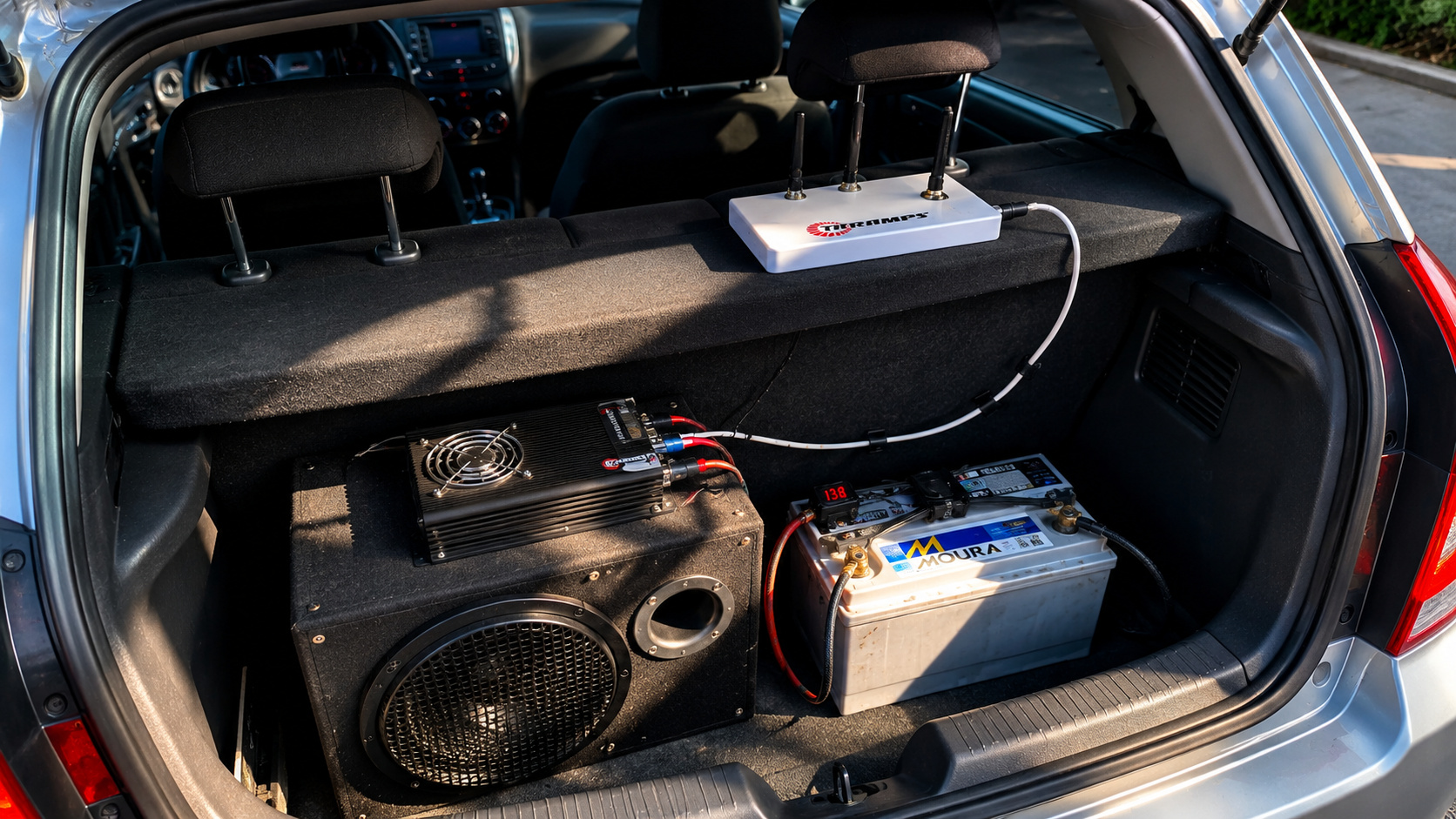
According to the SP Agency, of the São Paulo Government, the vehicle was equipped with devices capable of sending about 40,000 fraudulent messages per hour.
Scientists may have found an absurd clue about how life began on Earth: mineral nanoparticles might have used light, heat, and electricity to transform non-living matter into the first biological building blocks.
AI may be close to discovering new laws of physics, but scientists have found a frightening error: the technology reduces expensive simulations by more than 10 times and yet may overlook unprecedented clues hidden in the universe.
China has deployed snake-shaped robots to slide along power lines, where they have already inspected over 130 kilometers of cables using cameras and sensors to detect damaged wires, worn-out parts, and overheating.
Students create a Lego boat to collect plastic from beaches, focus on clean energy, and aim to combat marine pollution.
The structure functioned as a clandestine central on wheels, created to reach the cell phones of pedestrians and residents in different regions of the city.
The investigation was conducted by officers from the 42nd Police District, in Parque São Lucas, who were investigating the actions of criminals linked to false installations of Base Radio Station, known as ERBs.
During the work, the agents identified the suspect vehicle and began to monitor its movement through Muralha Paulista.
The system connects monitoring cameras and issues alerts, assisting security forces in locating investigated vehicles.
According to the investigation, the car circulated through neighborhoods in the eastern zone and also headed to regions like Avenida Paulista and Pinheiros.
During these movements, the equipment installed in the vehicle was used to send false messages on a large scale.
After monitoring, the agents managed to intercept the vehicle in Itaquera on the morning of the operation.
During the inspection, the police found two antennas installed in the headrest of the seats.
There was also a transmission device attached to a car sound box, indicating the car’s adaptation for criminal activity.
The management of the antennas was done through a cell phone application, allowing control of the system during movements.
According to the investigators, the apparatus reached cell phones within a radius of up to two kilometers.
The scam began with sending a message informing of an alleged transaction made on the victim’s card.
Next, the SMS indicated a phone number for contesting the purchase.
The call directed the person to a fake customer service center, operated by scammers.
From this contact, the criminals sought to obtain the victims’ bank details to carry out the theft of funds.
This type of fraud exploits the fear of unrecognized purchases and induces quick responses.
The use of Muralha Paulista was decisive in tracking the route of the investigated car.
The information gathered by the system showed the suspect’s movement through busy areas of the capital.
With this, the Civil Police were able to determine the moment of the approach and interrupt the criminal operation.
The interception also prevented new message blasts from being made by the equipment installed in the vehicle.
The 35-year-old driver was caught in the act after the equipment was located.
He was charged with criminal association, invasion of computer devices, and electronic fraud.
The case was registered at the 42nd Police District, in Parque São Lucas, responsible for the investigation.
The seizure of the devices should help the police investigate the extent of the scheme and the possible involvement of others.
The episode reinforces the alert for messages that simulate card purchases and request immediate contact with supposed service centers.
Have you ever received a suspicious SMS informing of an unrecognized purchase or asking for a call to contest? Share your opinion!
Writer specializing in the production of strategic content covering macro and microeconomics, geopolitics, the energy market, the automotive sector, and global trade.
© 2026 Click Petróleo e Gás – All rights reserved