Blog > Black Friday Marketing Ideas: Skyrocket Sales in 2025
Contents:
Share:
Black Friday 2024 shattered every record in sight.
I've spent the last few months analyzing which marketing strategies worked during BFCM 2024, and what I found surprised me. The brands that crushed it weren't necessarily the ones with the biggest budgets. They were the ones who executed the right strategies at the right time.
In this guide, I'm walking you through 13 battle-tested marketing ideas for Black Friday that actually move the needle. I'll also give you a complete 8-week timeline so you know exactly what to do and when.
Get a complete view of your competitors to anticipate trends and lead your market
I know what you're thinking—email feels old school. But hear me out on this.
Email marketing delivered a 4400% ROI during BFCM 2024—making it the top-performing channel for conversions. That's not a typo. Forty-four hundred percent.
Here's how to make it work for your store.
The first tactic I want to share is extremely powerful, and it's one that big brands use but most small stores ignore.
Instead of sending one big email blast and calling it a day, drop a new offer every 1-2 hours throughout Black Friday to create multiple touchpoints with the same audience.
Email marketing is your highest-performing channel, but timing is everything. Someone scrolling their inbox at 10 am—distracted by work, not ready to buy—might be in purchase mode by 2 pm when they're on lunch break.
By sending multiple offers, you're matching your message to micro-moments of buying intent throughout the day. Your 10 am "early bird special" catches morning shoppers. Your 2 pm "lunch break deal" hits midday browsers. Your 7 pm "tonight only" offer captures evening couch scrollers.
The psychology is simple: different people are ready to buy at different times. One email means one chance. Six emails means six chances to catch them when they're actually ready to click.
Here's how I set this up:
If you get this first tactic right, you’re looking at a 35% increase in transaction rates.
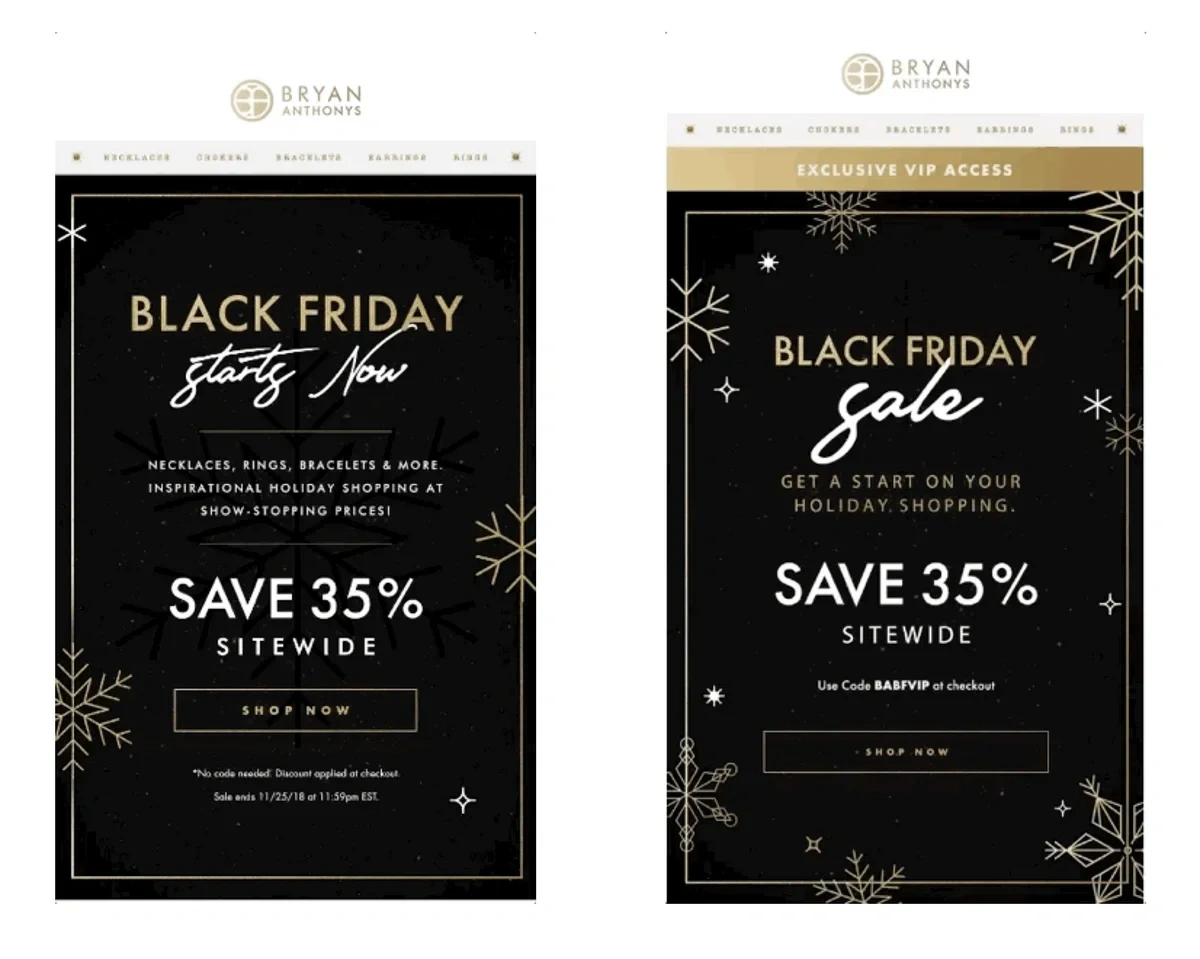
This next strategy is about making your subscribers and customers feel like VIPs by giving your best customers a head start.
Start building an early access list right now, weeks before Black Friday hits. Then give those VIPs exclusive first access to your deals, a full 48 hours before the public sale launches.
This isn't just about making people feel special, though that absolutely matters for retention. It's about smart revenue planning.
Segment your list by purchase history and engagement level. By engagement level, I mean how often people open your emails and click through. Most email platforms like Klaviyo, Mailchimp, or Shopify Email track this automatically. Look for subscribers who consistently click through your emails and those who've purchased in the last 90 days. These are your real VIPs—people who don't just open your emails, but actually engage with them.
For subject line ideas, start by subscribing to brands you admire and watching what they send. When something catches your eye, note it down or take a screenshot. You can also do a Google search for "Black Friday email subject lines" to get inspiration.
If you're stuck, ask an AI tool like ChatGPT. You can say, "Give me 10 subject line ideas for a Black Friday sale. Make them feel exclusive for VIP early access."
Test a few variations like "You're in: 48-hour head start begins now" or "VIP access unlocked: shop before everyone else." The key is making it feel like a privilege they earned, not just another promotional email everyone's getting.
Let me show you how to recover sales you're currently losing.
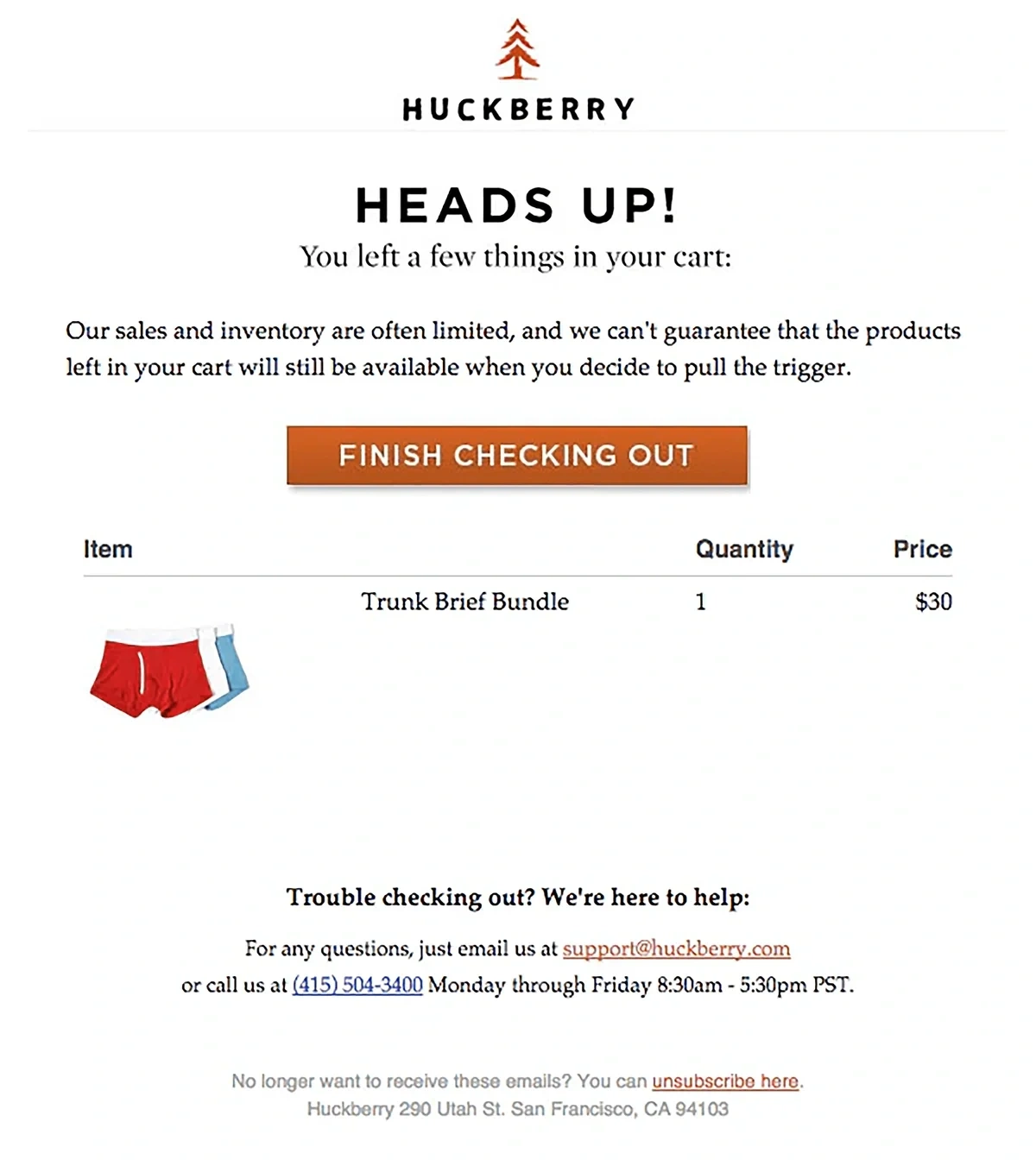
Cart recovery emails earn back 3.33% of lost sales, with an average revenue of $3.65 per recipient. That might not sound impressive at first glance, but multiply it across thousands of abandoned carts. Now you're looking at serious money.
Here's the exact sequence I recommend:
If you nail this sequence, expect 10-15% recovery rates.
The key to making this work is showing the actual products they abandoned. Make it visual by including images of what they left in the cart.
Here's a tactic most stores completely miss: striking while the iron is hot.
Within 2 hours of a purchase, send a "complete your order" email. Include complementary products with your Black Friday discount.
If someone bought a jacket, show them matching accessories. Skincare purchase? Suggest the full routine.
Most email platforms let you create automated "post-purchase flows" triggered when an order is placed. Set up the automation now, before Black Friday hits.
In the email builder, use conditional logic based on what they purchased. If they bought Product A, show Products B and C.
For example, if someone buys a yoga mat from your store, your automated email shows them yoga blocks, a mat cleaner, and a carrying strap.
The framing matters here, and you don't want to make it feel like another sales pitch. Use copy like: "These pair perfectly with what you just ordered" rather than generic "You might also like" language. You're helping them get more value from their purchase, not just pushing more products.
Smart brands increased their SMS for Black Friday marketing campaigns by 15% year-over-year during BFCM 2024. This is because SMS cuts through inbox clutter like nothing else.
Here are some extremely effective SMS tactics.
Use ultra-short-window SMS offers that last 60-90 minutes to create real urgency.
Make the codes SMS-exclusive. Your text subscribers should feel like they're in a secret club with access nobody else gets. That exclusivity drives action.
Keep your messages tight—under 160 characters. Here's my formula: "FLASH: 30% off next 90min! Code: SMS30 → [link]"
Text messages achieve open rates of approximately 98%, and 90% of SMS messages are read within three minutes of delivery. SMS campaign conversion rates also range from 21% to 32%—significantly higher than email. During Black Friday specifically, SMS marketing can deliver up to a 2000% ROI.
Sounds amazing, right? But you have to be careful since SMS is intrusive by default.
A text lands on someone's lock screen immediately. The average SMS opt-out rate ranges between 0% and 1.5%, but that jumps dramatically if you over-message.
My rule: maximum 3-4 texts for the entire Black Friday weekend. Space them at least 4-5 hours apart. Never send before 10 am or after 9 pm.
Let's be realistic about Black Friday: your hottest products will sell out. I want you to plan for it.
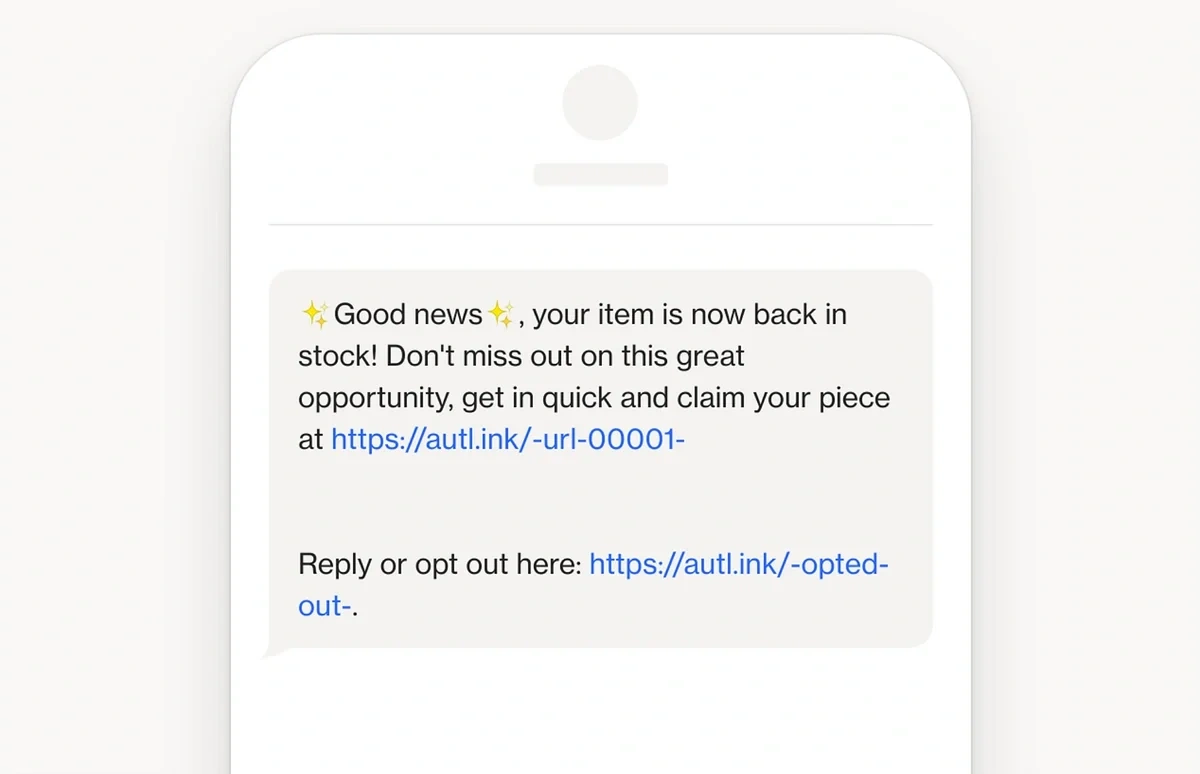
Set up automated text alerts that notify customers when sold-out items are back in stock. Most e-commerce platforms make this easier than you'd think.
If you're on Shopify, use apps like Klaviyo or Postscript. These integrate directly with your store and trigger automatically when inventory updates. For other platforms, tools like Attentive or SimpleTexting offer similar automation.
Think about the psychology here—these people already showed buying intent. You're not interrupting them with an ad. You're giving them a second chance at something they already wanted.
Back-in-stock alerts convert at 40% because you're targeting proven buyer interest, not cold traffic.
Your website is where visitors turn into customers. This means every part of your site must work hard during Black Friday.
Let me walk you through the onsite tactics that make the biggest difference.
Not all visitors are created equal, which means your offers shouldn't be either.
Here's the strategic approach I recommend: match your discount depth to visitor behavior automatically. This could look something like:
Use behavior-tracking tools, like Wisepops, OptinMonster, or Justuno, to trigger the right offer automatically based on visitor history. Then test different discount levels against your margins. You want to find the sweet spot where you're maximizing conversions without destroying profitability.
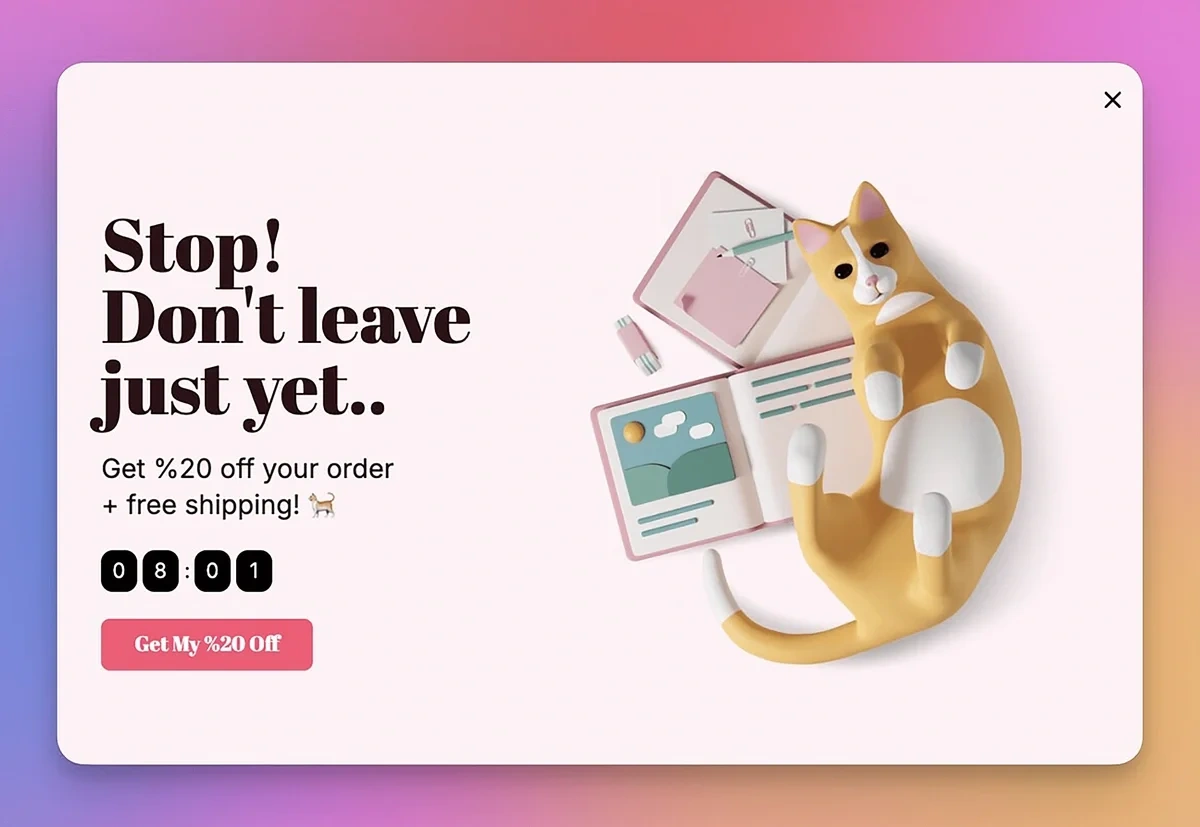
I love this tactic because it transforms a boring pop-up into an actual experience.
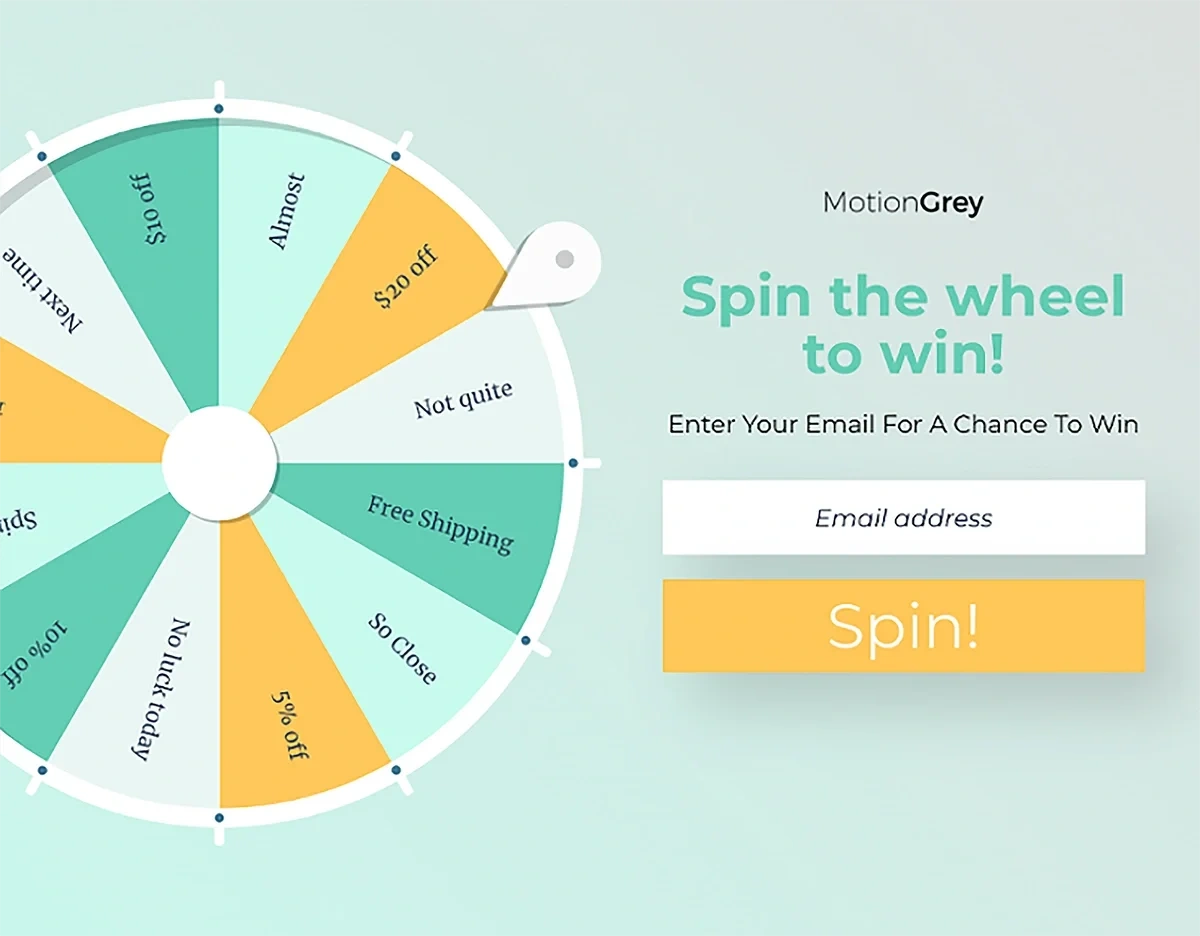
Instead of a static "get 10% off" pop-up that everyone ignores, add a spin-to-win wheel that reveals discounts ranging from 10-30%. Require email signup to play. Suddenly, you've transformed lead capture from an interruption into entertainment.
Tools like OptinMonster, Wheelio, or Spin-a-Sale (for Shopify) make this dead simple. Most have drag-and-drop builders where you customize the wheel design, set your discount tiers, and connect to your email platform.
The strategy is in how you configure the wheel segments. I recommend this setup:
This way, everyone wins something, but most people get your baseline discount. The occasional big winner creates excitement and social proof.
And here's a pro tip: even if someone "wins" 10%, make it feel like a victory with celebratory copy like "You won!" rather than "Here's your discount." The key is to make this exciting and fun.
Let me show you one of the simplest ways to boost conversions: show people what's happening right now on your site.
Display real-time notifications like:
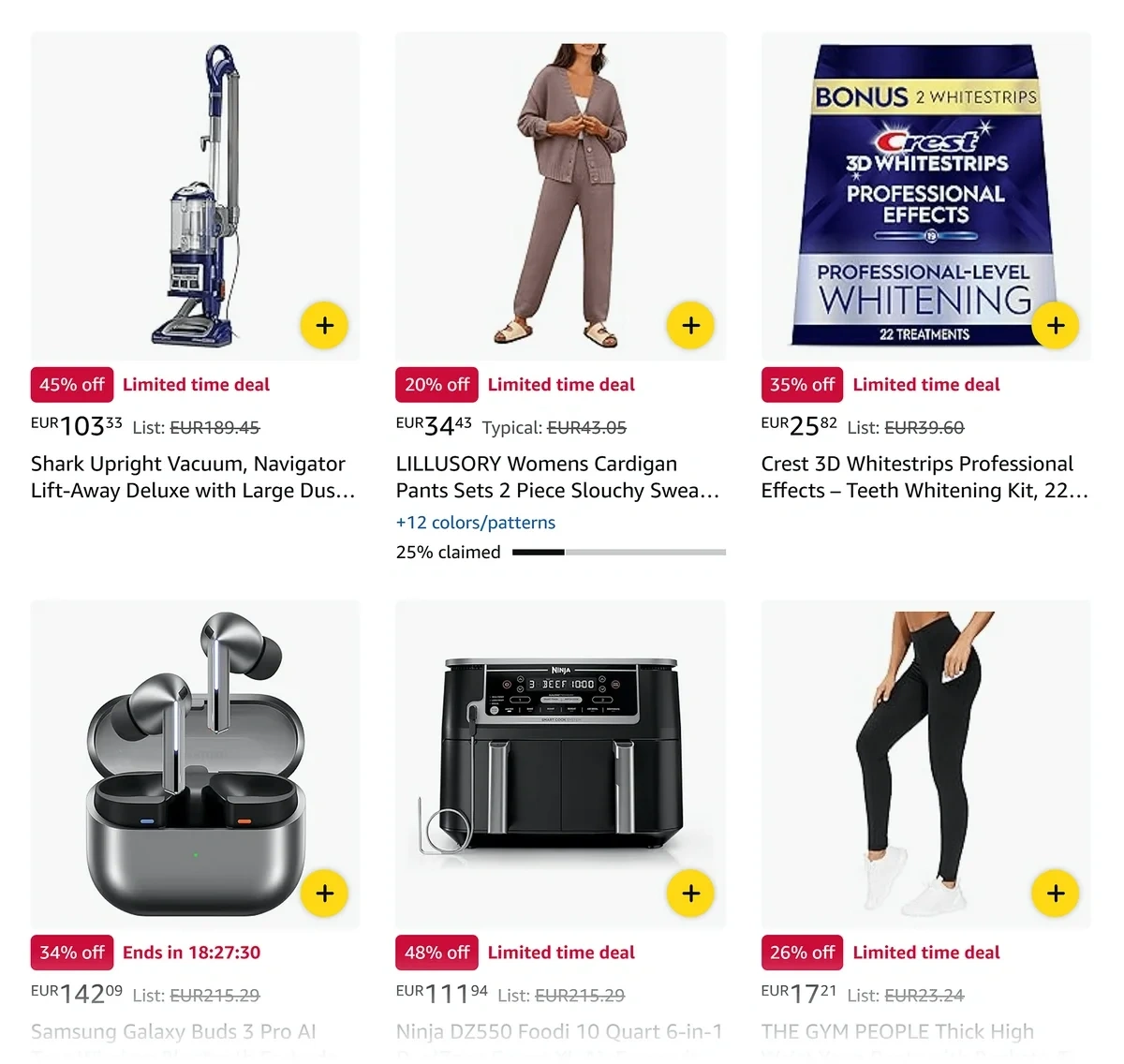
Amazon is a big user of these kinds of tactics, using limited-time deals and showcasing how many have already purchased:
Social proof increases conversions by 10-15% because it kills the hesitation that stops purchases. When shoppers see others buying, FOMO kicks in hard.
I use tools like Fomo or Proof to display real customer actions automatically. But keep it genuine. Fake social proof destroys trust faster than you can ever rebuild it. Only show real data.
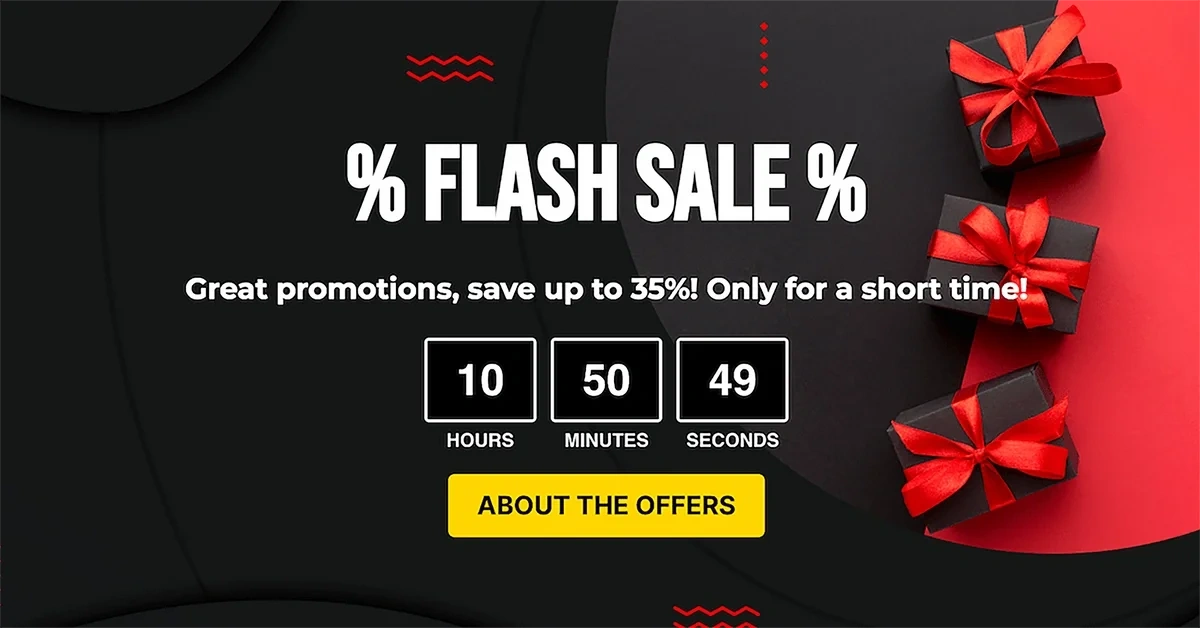
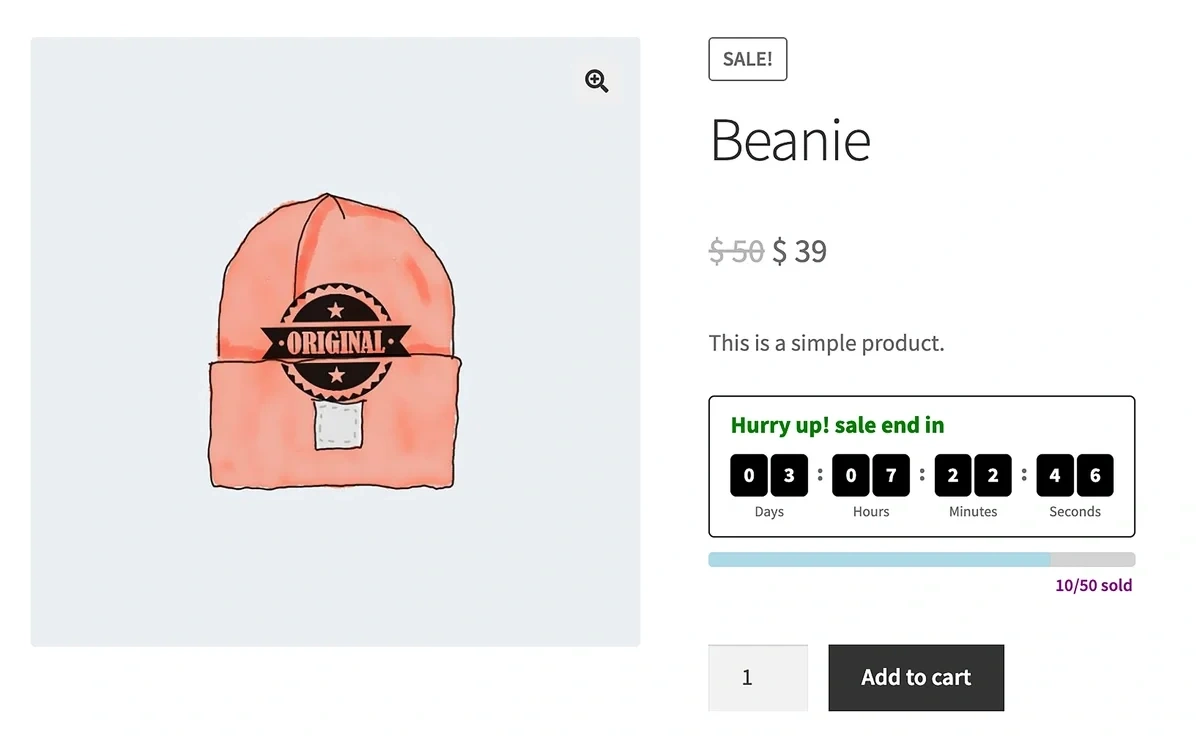
Add countdown timers to your site header, product pages, cart, and checkout. Show exactly how much time remains before the deal expires.
For Shopify stores, apps like Hurrify, Ultimate Sales Boost, or Countdown Timer by POWr make this plug-and-play simple. For other platforms, tools like OptinMonster or Elfsight include countdown functionality alongside their other features.
This single element creates 20-30% of purchases that wouldn't have happened without deadline pressure.
How you plan your promotion will determine if you make real money or just create noise and activity without profit.
Let me show you the promotional structures that actually protect margins while maximizing revenue.
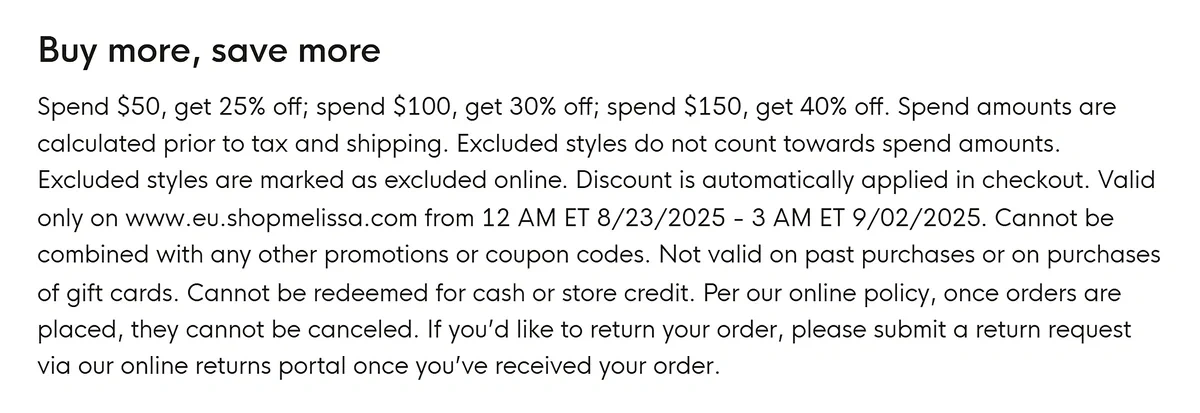
Instead of offering everyone the same flat percentage off, I want you to reward bigger carts with bigger savings:
Here’s an example of a shoe store using this tactic:
Most e-commerce platforms support this natively or through apps. On Shopify, use the built-in "Automatic Discounts" feature or apps like Bold Discounts.
The key is visibility. Add a banner to your homepage announcing the tiers: "Spend more, save more this Black Friday." In your cart, use apps like Cart Convert or Slide Cart to show a progress bar, such as: "Add $23 more to unlock 25% off!" This gamifies the experience—customers see exactly how close they are to the next reward level.
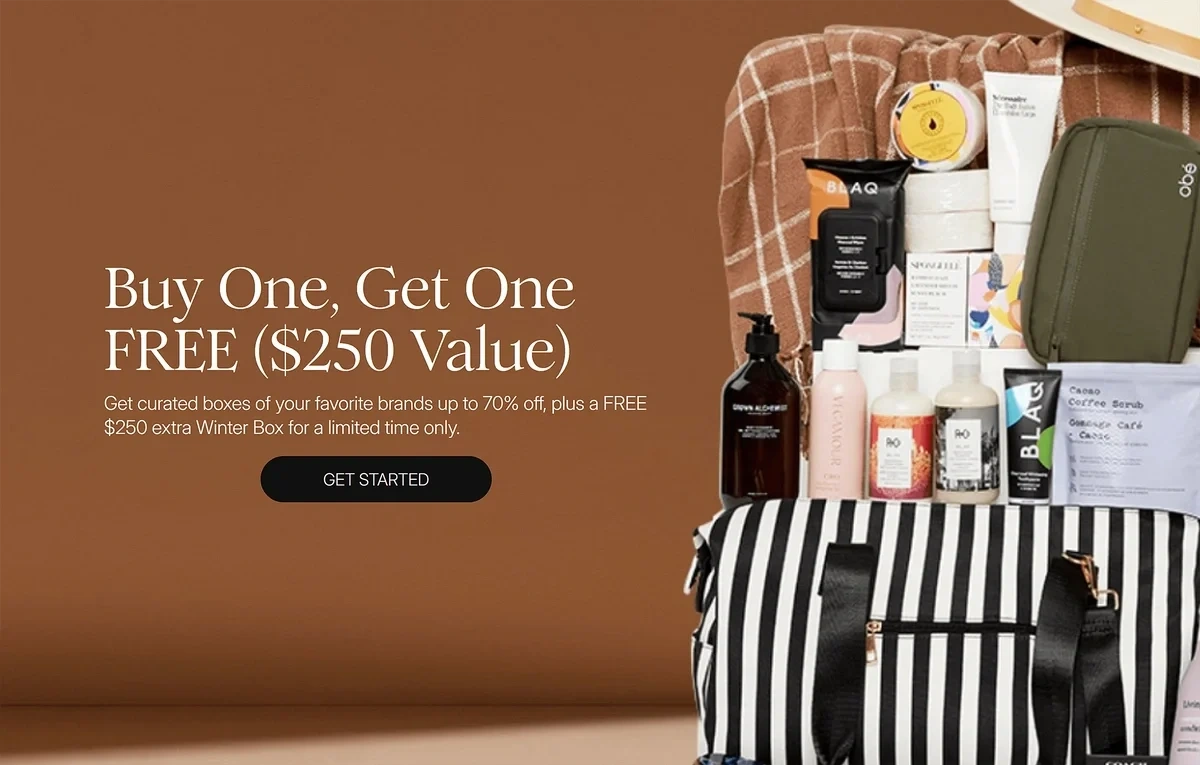
Let me share one of my favorite ways to clear inventory while maintaining excitement: mystery bundles.
Offer "$100+ value for $40"—but they don't know what's inside until it arrives. This works brilliantly for two reasons:
Create 3-5 bundle variations combining slow-moving inventory with popular items. For a sustainable products store, that might be a reusable water bottle + bamboo utensils + organic tote bag + mystery eco-product.
Price these at 60-70% off perceived value. If your bundle costs you $20 in inventory, sell it for $40 when the retail value is $100+. You're clearing stock at better margins than a 50% off sitewide sale would give you.
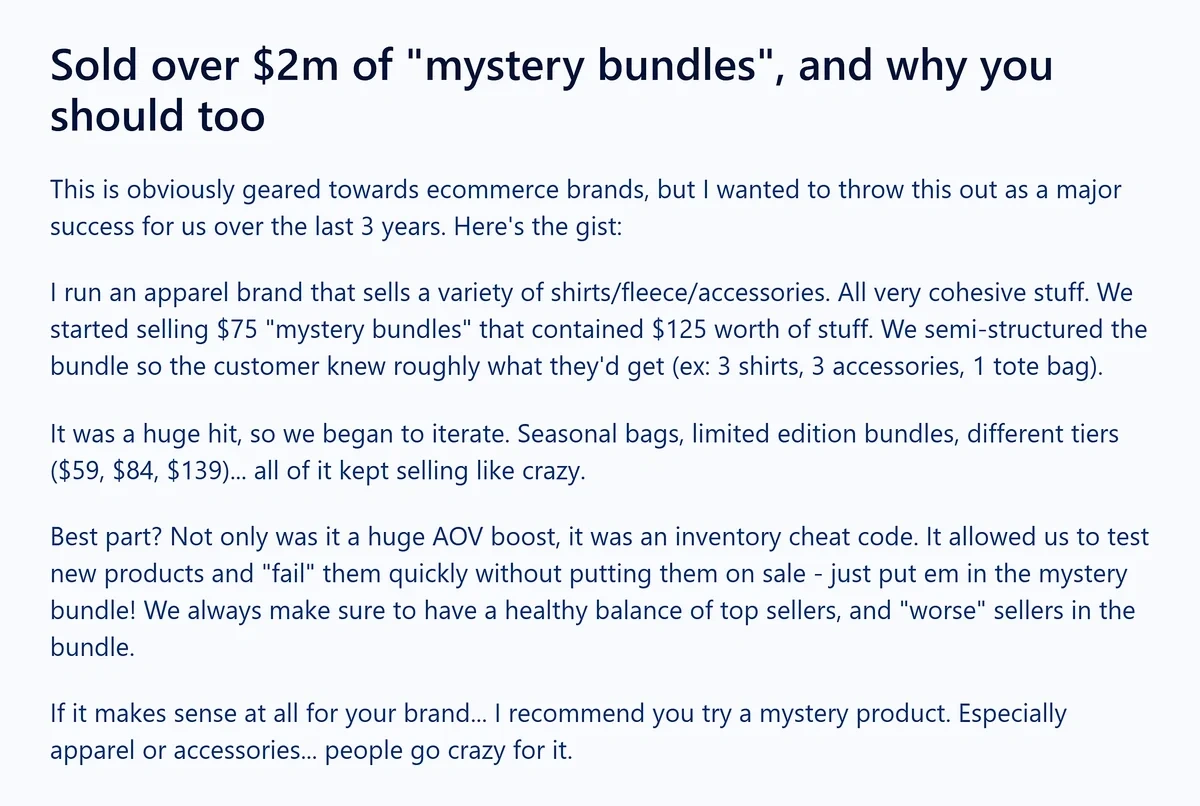
Mystery bundles can be highly profitable, and people online are sharing stories of amazing results:
Bonus benefit: these sell out fast and generate organic social media buzz as people share their unboxing experiences.
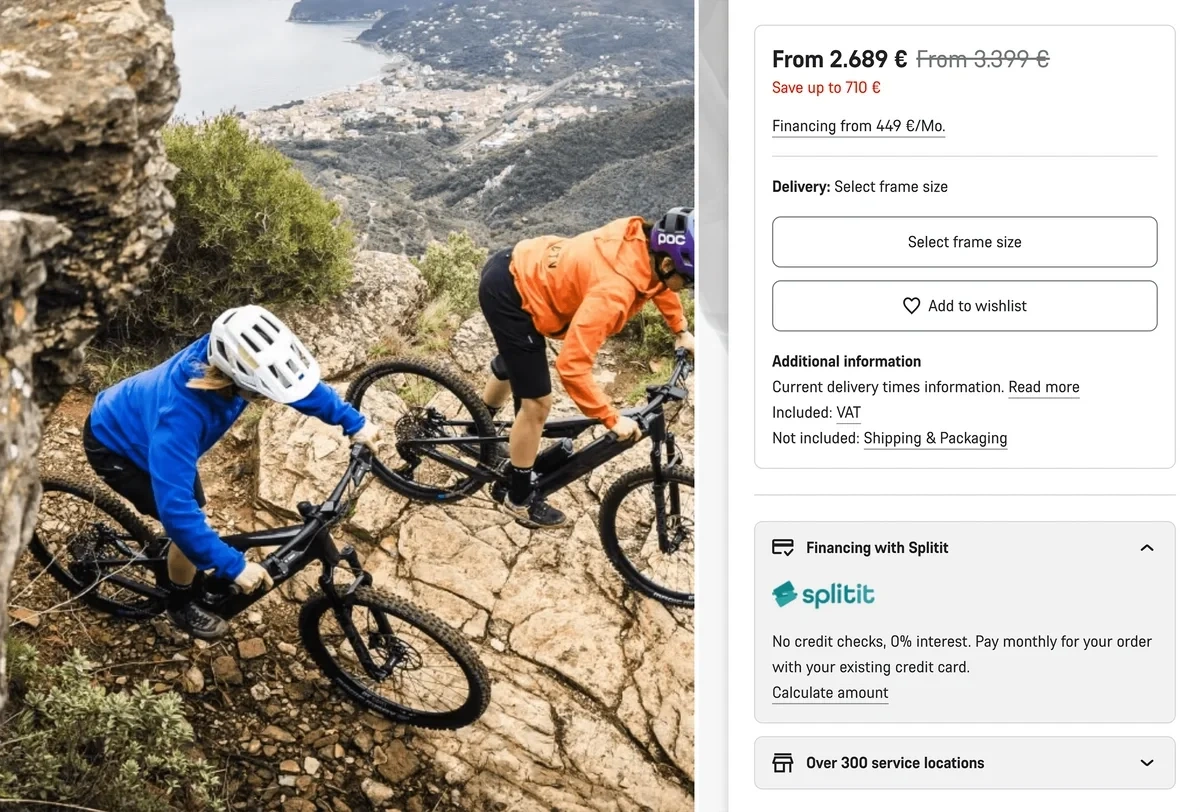
BNPL tactics include offering installment payment plans at checkout. This is awesome because it removes price barriers without you actually lowering your prices.
The numbers don’t lie. BNPL hit $18.2 billion during the 2024 holiday season, with $686.3 million spent on Black Friday alone. Merchants offering installment plans see 20-30% higher cart conversions, especially on items over $100.
You can easily do this using a BNPL provider. Klarna, Affirm, and Shop Pay are the big three.
Once integrated, these providers automatically add messaging to your product pages. Add BNPL messaging directly under your "Add to Cart" button. For products over $100, show the breakdown: "or $25/month with Klarna."
Pro tip: Test messaging variations. "4 payments of $25" converts better than "Pay over time" because it makes the math concrete and approachable.
Three tactics executed flawlessly beat ten tactics done half-heartedly, and you don't need all 13 tactics. Here's how I'd prioritize based on team size:
Shopify merchants drove $11.5 billion in sales over the Black Friday Cyber Monday weekend—a 24% jump from 2023. US consumers alone spent $10.8 billion online on Black Friday, and 2025 is projected to be just as strong.
That's serious money on the table. The key to capturing your share? Timing. It's what separates record-breaking weekends from disappointing ones.
Let me walk you through exactly when to execute each task.
You can execute a flawless marketing campaign on a dud product and still underperform. Or you can run a decent campaign on a trending product and absolutely crush it.
That's why these first two weeks are critical—you're laying the foundation for everything that comes after.
Start by digging into last year's data. What were your peak traffic hours? Your bestsellers? Your biggest cart abandonment moments? This historical data shapes your entire strategy because past behavior predicts future patterns.
But here's where most stores make a mistake: they only look backward. They stock the same products that worked last year without considering what's gaining momentum right now.
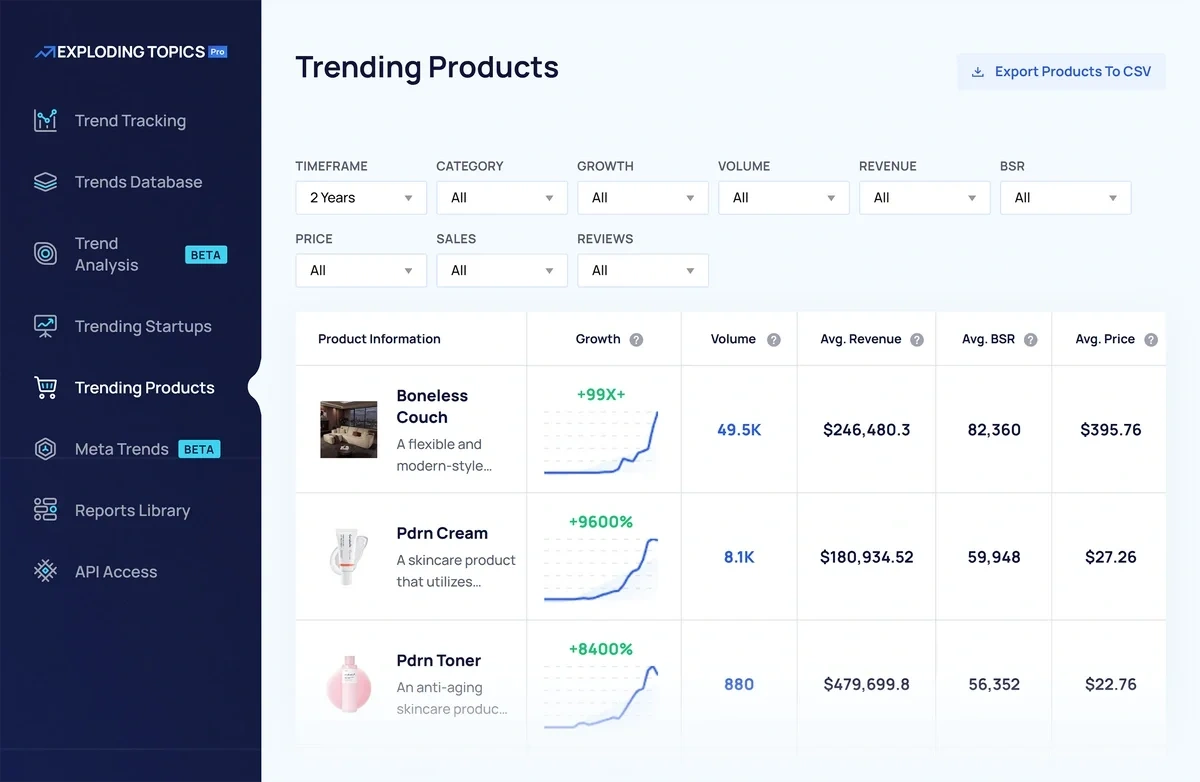
That's exactly why I use Exploding Topics for this research phase, and why I'm recommending you do the same.
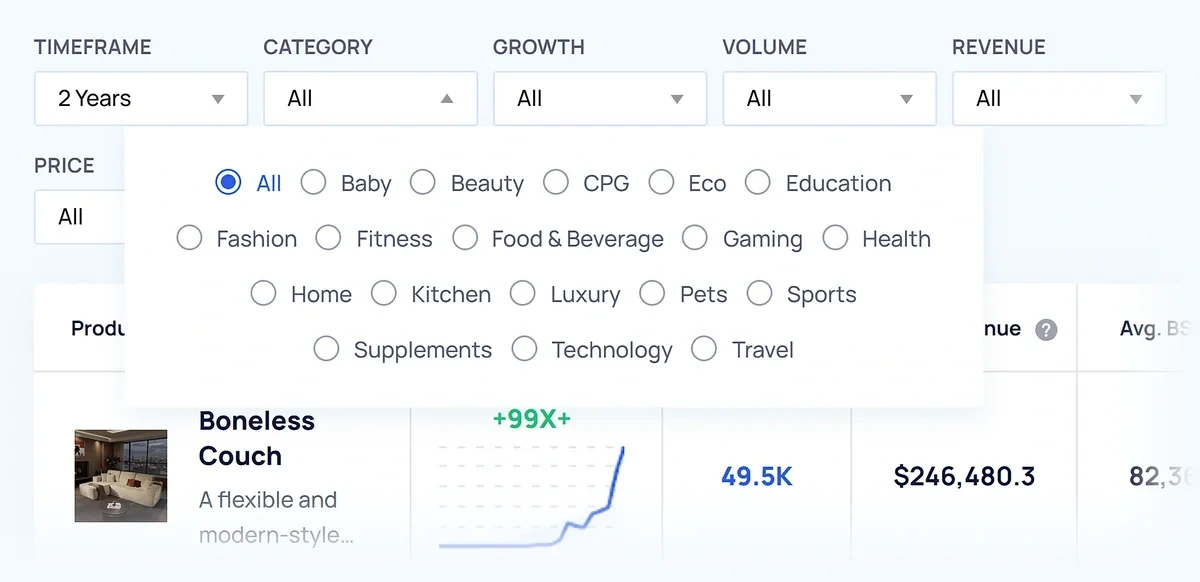
Open Exploding Topics and filter by your category:
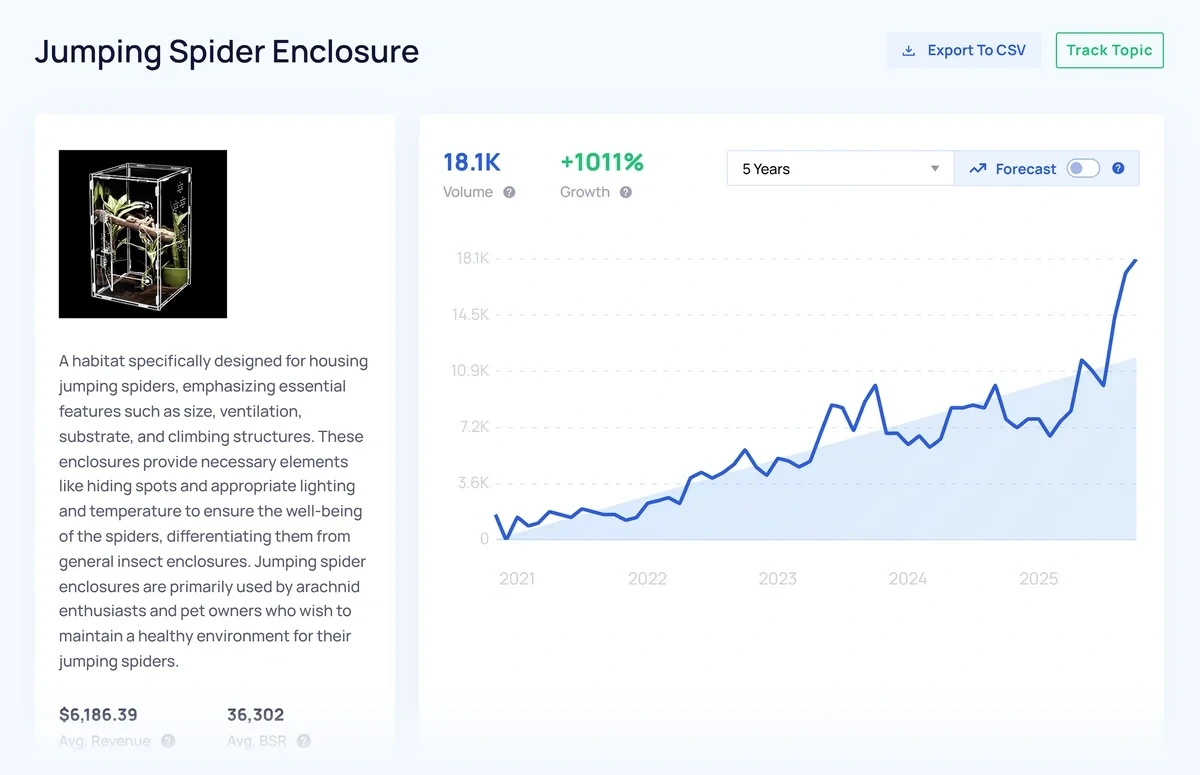
Set the growth status to "Exploding." You want products that show strong momentum as we enter Q4. Avoid one-hit wonders that will fade by December:
The platform identifies trending products months before they hit mainstream awareness. I set the time period to see sustained growth patterns over 3-6 months.
What I'm looking for is momentum, not virality. Items that show steady growth usually have much higher conversion rates. This is better than short-lived viral trends that quickly disappear when TikTok changes its focus.
Finally, build an evergreen landing page now targeting "Black Friday [your niche]" searches. Get it ranking before the competition floods in and SEO becomes impossible.
This is when I start my teaser campaigns via email and SMS.
Focus on growing your "early access" list with signup incentives. Create all your ad creative variations for testing now. Prepare graphics and copy in advance so you're not scrambling at the last minute when the stakes are high.
Launch VIP early access 48 hours before the public sale.
Run thorough technical tests on everything: checkout flow, popups, abandoned cart triggers, mobile experience. You want to fix any errors beforehand, not to lose sales later.
Deploy everything simultaneously. Monitor performance hourly and be ready to pivot and make changes.
Watch inventory levels on trending items like a hawk. If your top-selling product sells out, shift promotional focus immediately to other items.
Retarget non-buyers with completely fresh messaging. Try a different angle—maybe they weren't ready Friday, but they are now.
Send thank-you emails to buyers with complementary product upsells. Capture late shoppers with genuine "last chance" urgency on Cyber Monday.
Black Friday is about strategic execution at the right moments.
Here's your winning formula:
That's how you turn Black Friday from another promotional weekend into your biggest revenue driver of the year.
Use real-time topic data to create content that resonates and brings results.
Exploding Topics is owned by Semrush. Our mission is to provide accurate data and expert insights on emerging trends. Unless otherwise noted, this page’s content was written by either an employee or a paid contractor of Semrush Inc.
Use real-time topic data to create content that resonates and brings results.
Share
Newsletter Signup
By clicking “Subscribe” you agree to Semrush Privacy Policy and consent to Semrush using your contact data for newsletter purposes
Written By
Josephine Remo
Content Writer
Josephine Remo is a growth strategist who blends SEO, content strategy, and user research to create content that converts. Drawing… Read more
More than two years on from the official end of the coronavirus pandemic, explore the lasting effects on consumer behavior. From E-commerce to mask-wearing, dive into the data on what has (and hasn't) become the new normal for consumers.
Learn what brand mentions are, why they matter, and how to monitor them using effective tools like Semrush and Exploding Topics.
Our roundup of the best marketing conferences to improve your knowledge and skills.
How are brands capturing and converting leads? Here are the latest B2B and B2C lead gen stats across content, email and social.
We’ve put together the six top advertising trends for 2025.

Black Friday Marketing Ideas: Skyrocket Sales in 2025 – Exploding Topics