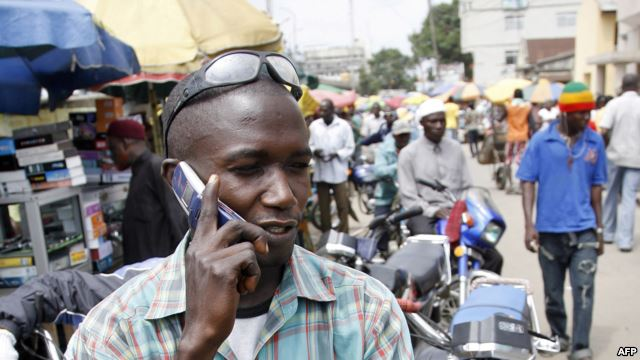
The Nigerian government’s recent announcement of a 50 per cent hike in telecommunication (Telecom) tariffs has sparked concern among millions of citizens who rely on affordable mobile services for communication, business, and everyday life.
From calls to data to Short Message Service (SMS), the cost of staying connected is about to increase, and for the average Nigerian, every naira counts.
Telecom operators in Nigeria have been facing skyrocketing operational costs, driven by factors such as the devaluation of the naira, rising inflation, and high diesel prices for powering telecom infrastructure. According to the Nigerian Communications Commission (NCC), the tariff hike aims to help sustain the industry amidst these economic challenges.
But what does sustainability mean for the average Nigerian, already burdened by high fuel prices, food inflation, and stagnant wages?
Currently, the average phone call cost in Nigeria is N11 per minute. With the 50 per cent increase, that cost will jump to N16.50 per minute. Similarly, a 1GB data bundle would rise from N287.50 to N431.25, while SMS charges may increase from N4 to N6.
For context, let’s look at how this affects everyday telecom usage:
Before the hike, with N100 airtime, you could make approximately 9 minutes of calls or send 25 SMS messages. However, the same N100 will only give you 6 minutes of calls or 16 SMS messages after the hike.
Users buying 10GB at N3,000 on Opay will now have to spend between ₦4,500 and ₦4,800 for the same bundle.
For the 160 million mobile subscribers in Nigeria, telecom services are not a luxury, but a necessity. From job seekers using data to browse opportunities to small businesses relying on calls and messages to connect with customers, the proposed tariff hike will cut deep. The potential effects could include:
In recent years, Nigeria has reportedly made progress in its quest for digital inclusion. “Cheaper data bundles” have brought millions online, contributing to economic growth and social empowerment. This new tariff hike risks reversing those gains. It would make connectivity less affordable for Nigerians who depend on mobile internet for work and daily activities.
While the government says the hike is necessary for industry sustainability, measures to cushion its impact on ordinary Nigerians are urgently needed.
Enter your email address to subscribe to this blog and receive notifications of new posts by email.
Is there a claim that you would like us to investigate?
Has a politician, a business or union leader, a health association or environmental group said something that you suspect is untrue or misleading and that should be challenged?
We cannot investigate every claim sent to us. But we will log all suggestions and appreciate your help, so kindly contact us.
I disagree with someone saying the id card has no bearing in…
I’ve been scammed too my whole money is gone and they are st…
It is nice to see good work been rewarded…
I almost do the payment a minute ago, but i stop and Google…
Yes…

New Telecom Tariff Hike: What this means for Nigerians – Dubawa – Dubawa